When you embark on a working holiday, there are a thousand different ways to spend that year abroad. Some people choose a fairly sedentary life: finding accommodation in a new city, landing a stable job and building a routine.
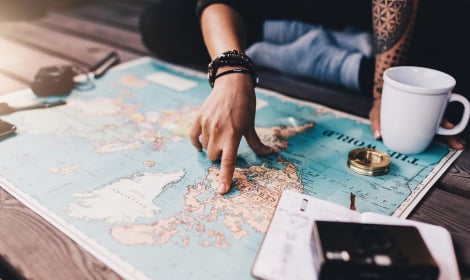
Others, however, decide to live like a nomad instead: travelling across the country, hopping from city to city, and living life on the road.
It’s this nomadic lifestyle that we’re going to explore in this article so that you can decide if it’s really for you.
Advantages of the nomadic lifestyle
1. Discovering a country in depth
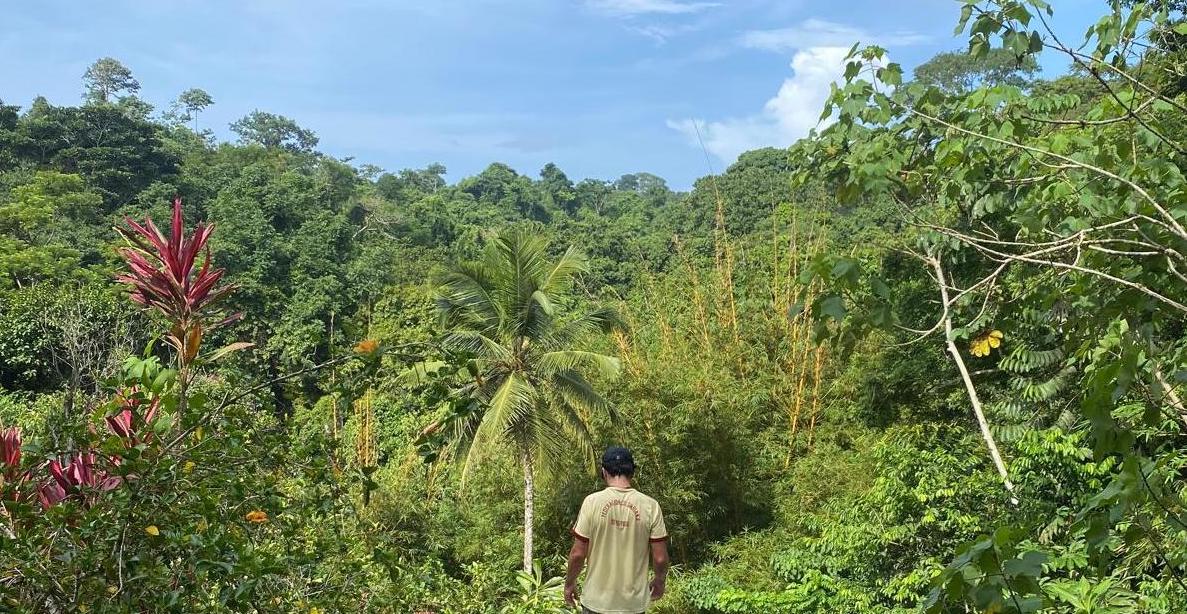
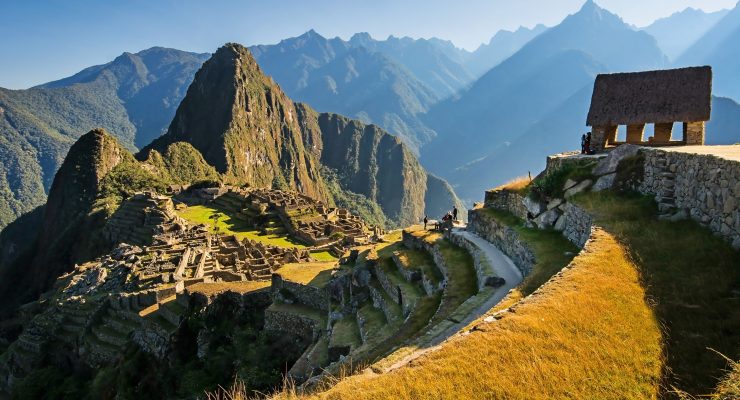
Being nomadic is an opportunity to discover a country in all its richness. You are not limited to a single city; you pass through villages, the countryside, mountains and coastlines. Each region reveals its landscapes, culinary specialities, expressions, and customs. This way of travelling allows you to step off the beaten track and gain a deeper understanding of a country’s cultural and geographical diversity.
2. Meeting a wide range of people
By changing places regularly, you multiply encounters. Other travellers on the road, but also locals with whom you share deep conversations or even just a simple meal. Many working holiday makers say that it was during these unexpected moments that they made their best memories.
3. Total freedom
The nomadic lifestyle offers flexibility. You can stay longer if you like where you are, or pack up early if somewhere else is calling your name. Change can happen whenever you decide and you can live each day as it comes. You can let yourself be guided by unexpected opportunities and surprises, which are often the source of great stories.
4. Learning about yourself
Nomadic life pushes you out of your comfort zone. It teaches you to adapt, to put things into perspective and to manage your reaction to all kinds of situations. Many travellers return with greater self-confidence and a better understanding of themselves, their strengths and weaknesses.
Downsides of the nomadic lifestyle
1. Variable budget
Being constantly on the move involves a higher budget and greater unpredictability than if you were settled in one place. You need to plan for additional expenses related to transportation, short term accommodation, and unforeseen costs. Some people travel using only their savings, while others finance their journey through remote volunteer or work opportunities that include room and board.
Travelling solely on savings requires robust financial preparation and careful budgeting. Every choice matters, from the destination to the activities to the length of stay, and more.
2. The thrill may wear off
At the beginning of the trip, everything feels WOW: the new landscapes, exotic foods, the exciting encounters. But over time, that intensity gradually diminishes, and that is normal.
The mind gets used to novelty, and truly exceptional experiences become rarer and rarer. Some working holiday makers even talk about a mild “traveller’s blues”, a feeling of being less easily amazed, or even slightly jaded.
3. Travel fatigue
Frequently changing locations and routines can become exhausting over time. The lack of a home base can also take a psychological toll.
This fatigue is often coupled by the pressure that you “have to make the most” of every day. Many travellers feel guilty if they decide to just rest and do nothing. Yet downtime is important for everyone!
4. Planning and logistics
Being nomadic also means constantly asking yourself: where am I going to sleep, eat, and visit today? How am I going to get there without breaking the bank?
In the beginning, planning is part of the excitement of travel, but over time this constant need to plan can become draining.
Indeed, many things that we would otherwise take for granted in a sedentary lifestyle become daily chores while on the road.
Mark from the UK is moving to Vancouver, Canada on a working holiday permit. Read his thoughts about the planning process in
this interview!
5. Emotional ups and downs
Even while meeting lots of people, it is normal to feel lonely at times or to miss loved ones. On the road where reference points are constantly changing, we can be even more susceptible to these feelings of solitude.
Hostels can be such bustling social places that it can become hard to find real moments of calm. Even if the encounters with other guests are rewarding, having to always be on can be tiring, especially when sleeping in dormitories where privacy is limited.
At those moments, it is important to allow yourself a solo break. Booking a private room, for example, makes it possible to recharge and regain balance before heading back out to socialize.
Some practical advice
- Plan an emergency budget for unforeseen expenses.
- Travel light: fewer belongings mean less stress, less fatigue and greater mobility.
- Allow yourself breaks: staying a week or more in the same place helps you rest and recharge.
- Try volunteering: a good way to slow down, meet people and reduce expenses.
- Keep a small routine (sport, reading, travel journal, calls to family) to feel grounded despite being on the move.
- Surround yourself with other travellers to share tips and talk through moments of doubt.
Nomadic life on a Working Holiday Visa is an intense and unique adventure. It allows you to discover a country in all its diversity, make unforgettable connections and enjoy rare freedom. But it also requires organisation and a good dose of flexibility.
The most important thing is to find the balance that suits you. Alternate moving on the road and resting in one place. Roll with the punches, enjoy the pleasant surprises, and remember that a working holiday, whether nomadic or sedentary, is above all an experience that you get to define.










 Français
 English





0 comments
{{like.username}}
Loading...
Load more