






 Français
 English


pvtistes
Can you please introduce yourself?

Hi, my name is Laurie. I’m a proud Canadian and Québécoise. I grew up in Greater Montreal in Oka and Laval. I’ve been living in France on a Working Holiday Visa since December 2021. Time flies in this beautiful and diverse country, especially when you’re eating cheese and chocolate croissants! I love traveling, the mountains, discovering new landscapes and cultures, staying active, eating well and drinking well.
In January 2026 we interviewed Laurie again. She explains in detail how to changed statuses from an APS-WH to a family residence permit. Read the interview.
pvtistes
Why did you choose France as your next working holiday destination?
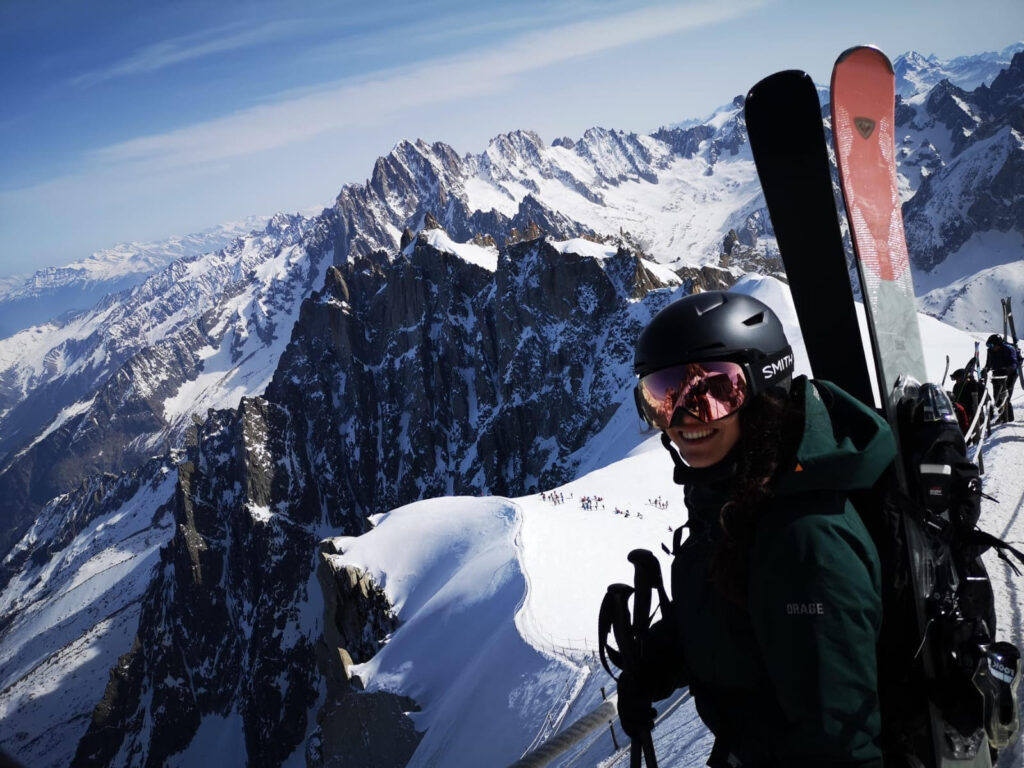
For several reasons… I wanted to keep living in the mountains and I dreamed of skiing in the Alps. I first did some research about living and working in Switzerland, but Switzerland doesn’t have a working holiday agreement with Canada. I therefore opted for France, where the WHV is relatively easy to obtain.
 I had also met many French people throughout my travels, including a French woman with whom I stayed for one month in Australia, as well as my French roommate in Western Canada… As a French-speaker abroad, you’re generally much more likely to run into French people than other Québécois. I feel like they travel more (maybe the five weeks of paid vacation per year or the travel culture…?). They’re often quite curious about their Québécois cousins, so I naturally formed friendships with French people from different regions, who shared with me the richness that France offers in terms of landscapes, architecture and gastronomy. During my university studies, I had also considered doing a semester abroad in France, which I ultimately didn’t do, so this felt like the right time to make up for it!
I had also met many French people throughout my travels, including a French woman with whom I stayed for one month in Australia, as well as my French roommate in Western Canada… As a French-speaker abroad, you’re generally much more likely to run into French people than other Québécois. I feel like they travel more (maybe the five weeks of paid vacation per year or the travel culture…?). They’re often quite curious about their Québécois cousins, so I naturally formed friendships with French people from different regions, who shared with me the richness that France offers in terms of landscapes, architecture and gastronomy. During my university studies, I had also considered doing a semester abroad in France, which I ultimately didn’t do, so this felt like the right time to make up for it!
pvtistes
How did your loved ones react to your decision?
Very well! I’m lucky to have a family and friends who are open-minded and love travelling. We encourage each other in our different ambitions. Some family members and friends have already come to visit me in Europe. Long live cheap short-haul European flights! That said, I try to return to Quebec once or twice a year and keep as much contact as possible with my loved ones by all possible means: phone calls, texts, FaceTime, voice messages, postcards, etc. Being far from them and missing several important moments is without a doubt the hardest part of being an expat.
pvtistes
What was the visa application like?
There’s a lot of paperwork and the procedures aren’t always clear. However, from what I understand, as Canadians we’re lucky not to reach the annual quota of available spots for the French WHV. This means we have little chance of being refused, as long as we meet the required criteria and put in a bit of effort. The process to obtain the Australian WHV was completely online, simple and clear (more expensive, though), and I got it within just a few hours. For the French WHV, on the other hand, we have to go in person to a VFS visa centre to submit the application.
pvtistes
What was your plan when you came to France?
When I arrived, my plan was mainly to ski as much as possible and enjoy the mountains during my four-month work contract in the Alps. I also wanted to take advantage of it to visit other regions of France and other European countries. Then I met my partner in Chamonix, who had lived in Canada for two years also on a WHV. In short, I was far from imagining when I arrived in France that I would end up creating a business!
pvtistes
Did you find the job search complicated?
Searching for a job from Canada in French ski resorts was fairly easy. I found a Facebook group called “Chamonix Job Offers.” I applied to two job postings for head server/waitress (I had experience), I quickly had two video interviews and I was hired for both positions. I chose a restaurant that was only open in the evening, with room and board included, and free days to ski. Businesses in ski resorts seem used to hiring foreigners (I worked with an Italian woman and an Argentinian man). I spoke English with customers more than half the time in Chamonix, so being bilingual was a significant asset. France is one of the most visited countries in the world, so there’s a strong need for labour in certain destinations during tourist seasons. For these reasons and in this context, my job search went smoothly.
pvtistes
Why did you and your partner want to start a company together promoting Canadian products?
My partner Jeremy had dreamed of starting his own business. A gourmet grocery store, a bistro… a place that would allow him to share his passion for good food and quality products! From the beginning, I wanted to get involved and help with this dream, but I always imagined myself having “my job” on the side because maybe I couldn’t believe that I could be a business owner; there were too many unknowns and uncertainties (similar to the doubts before launching my first solo trip). And yet, today it makes perfect sense with our company and I feel professionally fulfilled!
pvtistes
What do you like most about your life in France?
Where to begin… Gastronomy, wine, cheese, champagne, bakeries, fresh fruits and vegetables, eating oysters right at the oyster farm, and so on. Good local products are more accessible, more varied and cheaper than in Canada. I also love the tradition of apéro. I think the French generally take more time to gather around a meal, to stretch it out and really enjoy the moment. For example, we get together almost every Tuesday evening with my in-laws around a meal, starting with apéro, then an appetizer, the main course, cheese, dessert and coffee!
pvtistes
What’s your best working holiday memory?
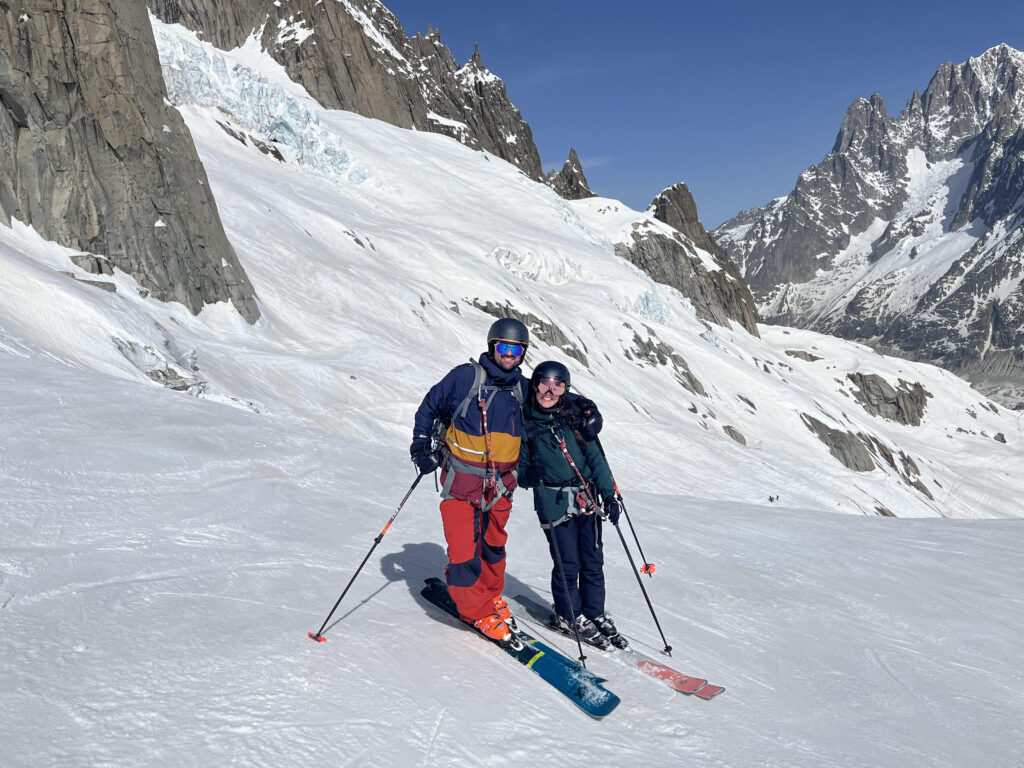
THE ALPS! Clearly one of my favourite places in the world. More specifically, skiing the Vallée Blanche in Chamonix for my partner’s birthday, followed by dinner at a restaurant where I met his family for the first time! Every time I return to the Alps, I’m just as impressed, amazed and at peace… I feel good there.
pvtistes
And the worst?
The way I was treated at one of my jobs in France. I don’t want to go into details, but it was an accumulation of bad experiences. Work culture is different in the two countries, and I found the adjustment quite difficult, with a lack of recognition for my work. Otherwise, the minority of French people who make unpleasant comments about the Quebec accent.
pvtistes
You moved abroad solo. What was that experience like?
As explained at the beginning, this wasn’t my first solo trip. However, I didn’t have the same mindset arriving in France as I did during my previous travels, where I discovered that incredible feeling of freedom. After travelling a lot, moving around constantly, chaining contracts, making new friends and having more (or less) fleeting relationships, I arrived in France wanting to build real, long-term human connections, to be more grounded, and potentially settle down both romantically and professionally. I also thought long and hard before starting this WHV – not out of fear of the unknown this time, but because it somewhat contradicted my mindset, which was seeking more stability. I still had that taste for adventure, though, so I followed my instinct and went for it!
pvtistes
Do you have any advice for people thinking about doing a WHV in France?
Just go for it! You’ll probably surprise yourself by managing on your own, stepping out of your comfort zone, meeting incredible people, trying new things and, above all, learning more about yourself than ever before! Everything is temporary and time flies. What’s the worst that can happen if you don’t like the experience? You go back home to your comfort zone. Your loved ones, your routine and maybe even your job will still be there, and you’ll have no regrets.
pvtistes
If you hadn’t met your partner, would you have stayed in France after your WHV?
Oh, great question… Everything is about circumstances, and for me it makes sense to stay in France right now. If it weren’t for my husband and our company, I think I would have returned to Quebec, mainly for family and professional opportunities. I’ve always viewed my WHV experiences as temporary, with the idea of returning to Quebec eventually. For me, settling “for real” in France is a much bigger unknown than coming here on a working holiday.
pvtistes
And finally, what are your plans now?
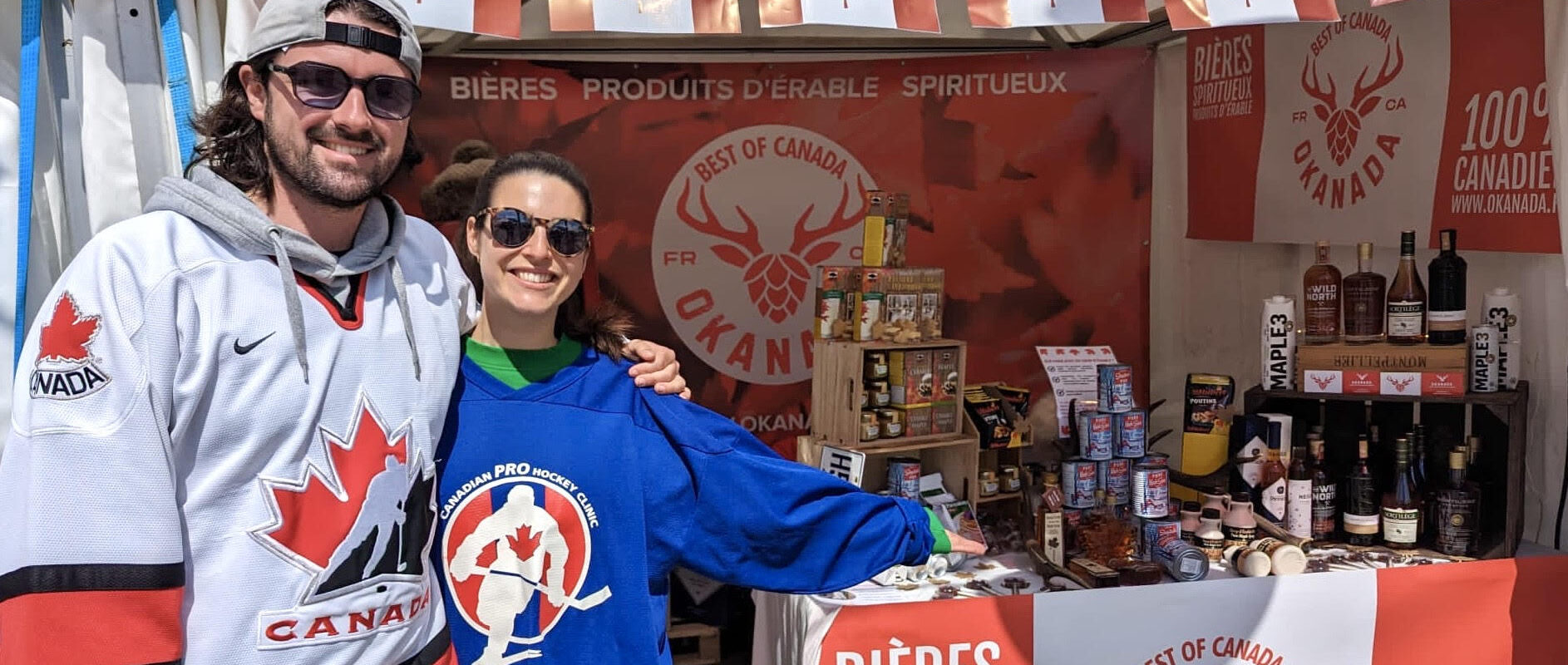
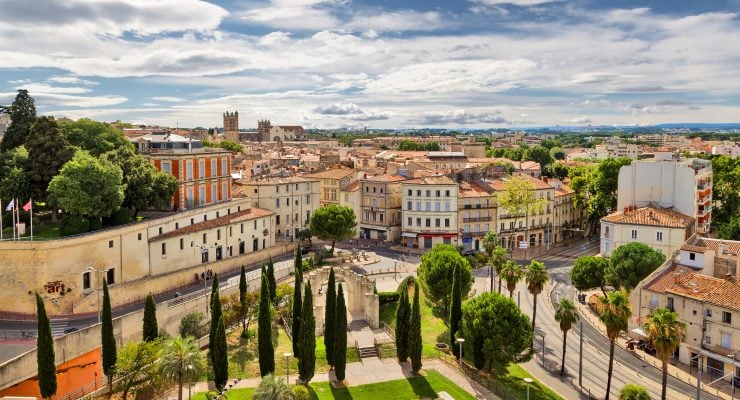
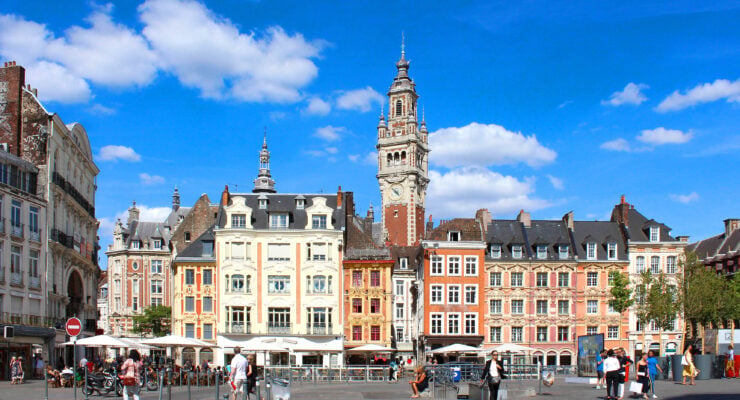
All of our energy is focused on our business Okanada and on launching our online store soon, the Nancy Christmas market starting shortly, and opening a physical location in Montpellier in 2024. We have no shortage of ideas! Feel free to also follow our adventure on Facebook “Okanada – comptoir canadien” or Instagram @okanada.fr.



0 comments
{{like.username}}
Loading...
Load more