














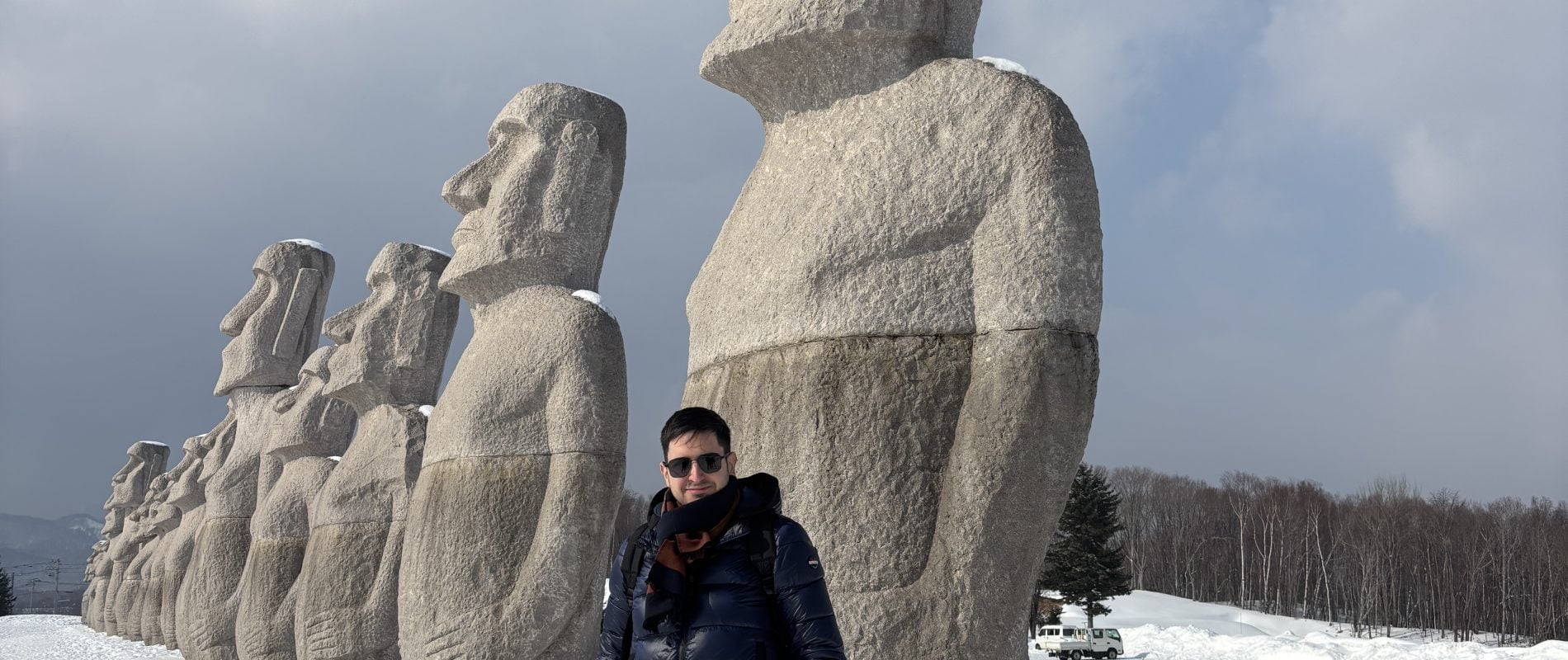
Romain’s story was first published in French in September 2026. Prices are from that time.
Hi! Can you tell us a bit about yourself?
Hi! I’m Romain. I’m nearly 30 and from south-west France. After getting my engineering degree, I went into finance and worked in Paris, and also in Switzerland and Luxembourg. At the start of the summer, I came back from my working holiday in Japan, and it was a great experience.
Why Japan, and what made you want to do a working holiday there?
Like a lot of people my age, I think, I grew up surrounded by Japanese pop culture through video games (Pokémon, Mario…) and anime (Naruto, Captain Tsubasa…).
But that’s not what made me go to Japan. Six years ago, during the first Covid lockdown, I applied for a VIE (a French international work placement scheme) in Japan. I didn’t get it, but I did a lot of research along the way, mostly on YouTube. That’s when I came across a series of vlogs filmed seven or eight years earlier by a content creator I really like, Efkan Kurnaz.
He doesn’t specialise in travel, but he showed lots of the quirks of Japan in general and of Tokyo (in French), from the people to the infrastructure and the events.
I was simply amazed that there was a country on Earth so completely different from France in every way. From then on, I kept watching YouTubers who focused more on Japan, and I became convinced that at some point in my life I had to live in Japan for a few months or a few years.
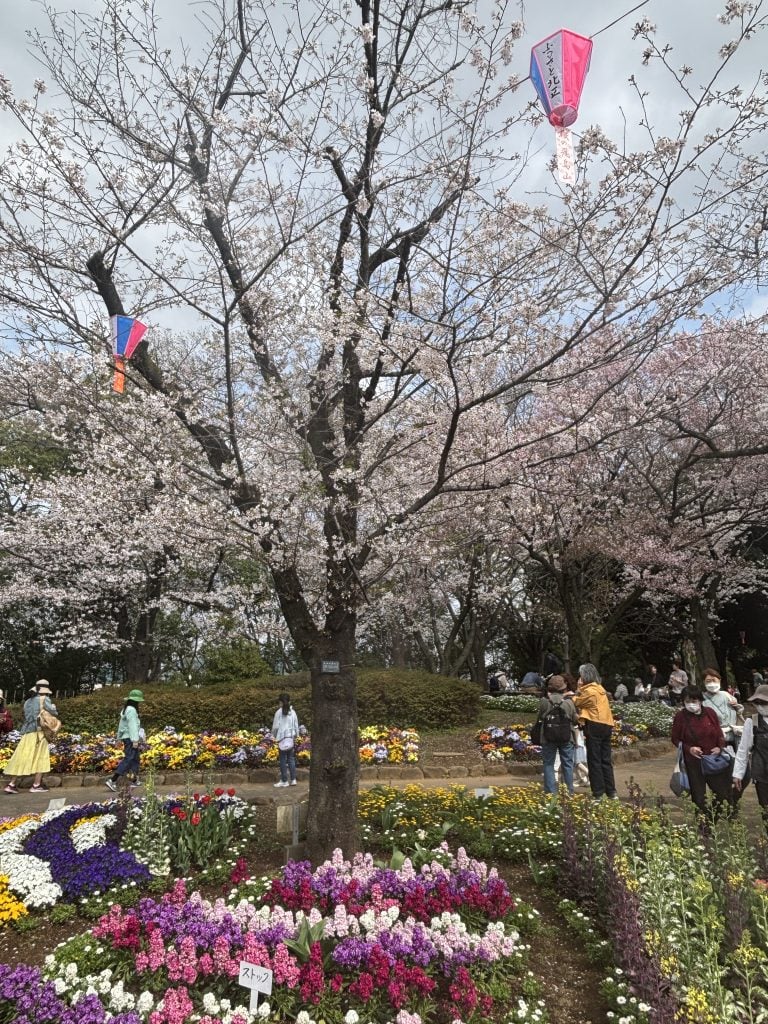
From 2020 on, not a single day went by without me thinking about what my life would be like there. My job gave me a comfortable life, but it was no longer the life or the place I wanted.
When you left, your goal was to find a job in finance. How did you prepare for that before leaving?
Over several years, I spent dozens of hours building up my network on LinkedIn. I mostly contacted French speakers working in finance in Japan, introduced myself and asked if they could help me with my job search.
I’d also started in-person Japanese classes where I lived, but the format didn’t suit the way I learn or what I wanted to work on. I only picked up a few basics, but then my goal was never to arrive in Japan already bilingual.
I’d had a few remote interviews with big American banks, but the level of Japanese or the experience they wanted didn’t really match my profile.
The year before, I’d been on a trip to test my idealised picture of Japan against reality. Travelling solo, I did a fairly classic loop between Hiroshima, Osaka, Kyoto and Tokyo. I really enjoyed those two weeks in Japan, and they made me even more sure I wanted to try to settle there for longer, and soon.
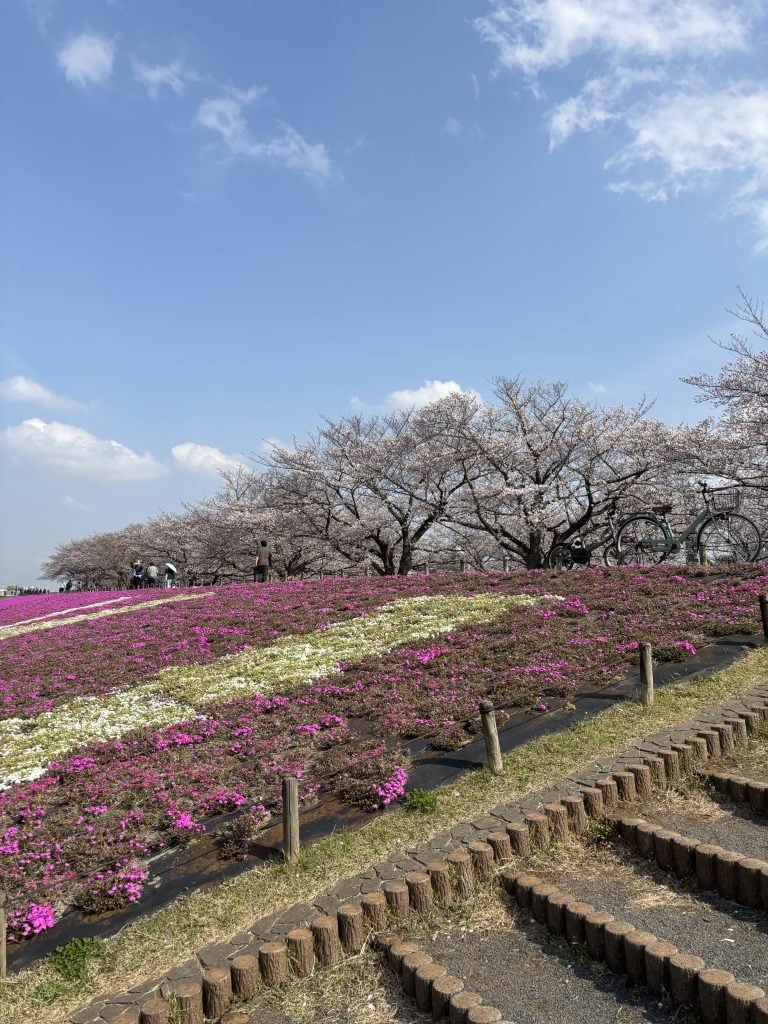
A month before I left, I booked my flights and rented a small flat in the north of Tokyo through your partner, Oakhouse.
You left thinking you could work in your industry without speaking Japanese. How did your job search go once you were there, and what problems did you run into?
I knew from the start that most Japanese people still aren’t very comfortable in English, but I was convinced I could find a good job there, because I’d heard that finance, along with IT, was one of the most international skilled sectors in Japan.
As I saw it, my job search from France had failed for two reasons, in equal measure: the distance and not speaking the language.
As soon as I arrived, I got in touch with as many recruiters as I could at the biggest international firms, to talk to them, leave my CV and stay on their radar.
I was quickly told that only around 5 to 10% of finance job ads didn’t require Japanese, and that figure covers every speciality and every level of experience in the industry. Competition for these jobs is also fierce, because they’re easier for foreigners already in Japan to get.
Meanwhile, I kept applying and went back to learning the language (in French) with online group classes at Coto Academy, which I’d recommend. I spent most of my time applying for jobs and studying Japanese at my local library.
Two or three times a week, I played football at sessions run by the Tokyo Futsal association. These friendly games were a real breath of fresh air, because I’m an introvert and find it hard to approach people. Those regular get-togethers helped me make Japanese and international friends I’m still in touch with, and they’re one of the things I’ve missed most since coming back to Europe.
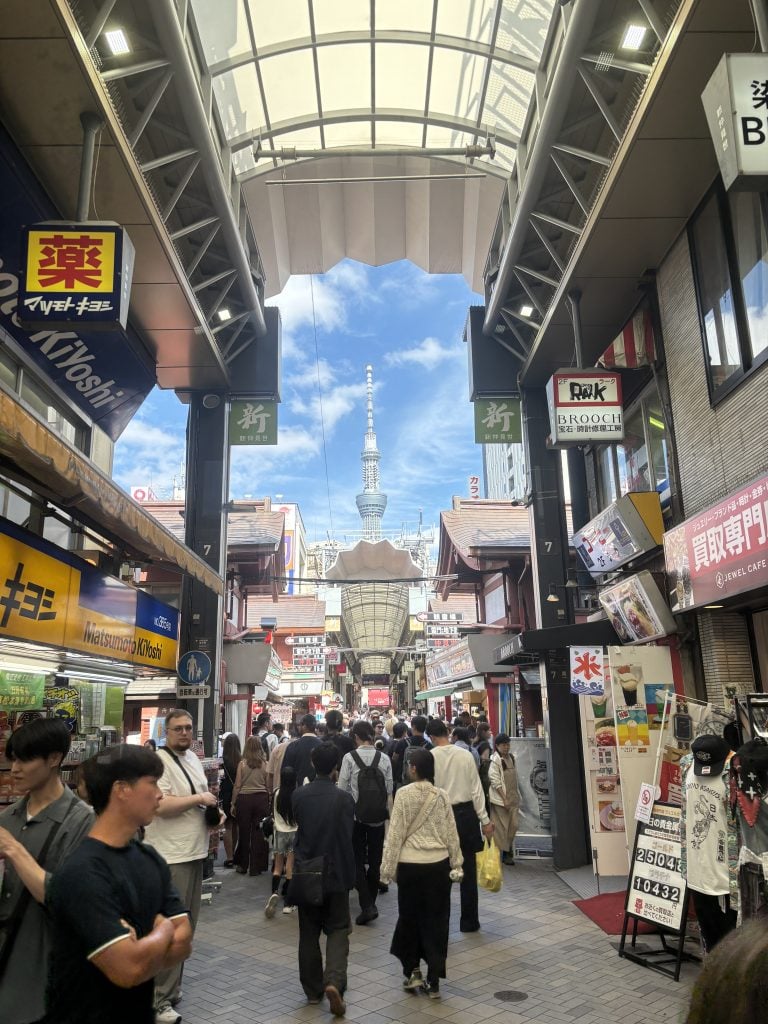
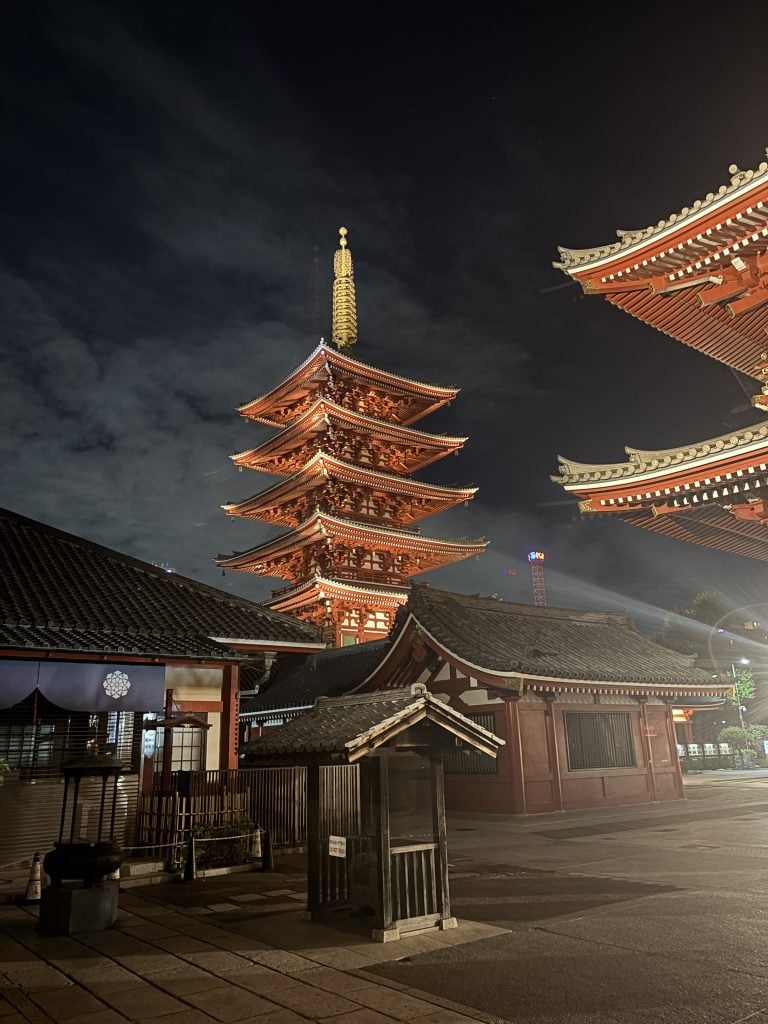
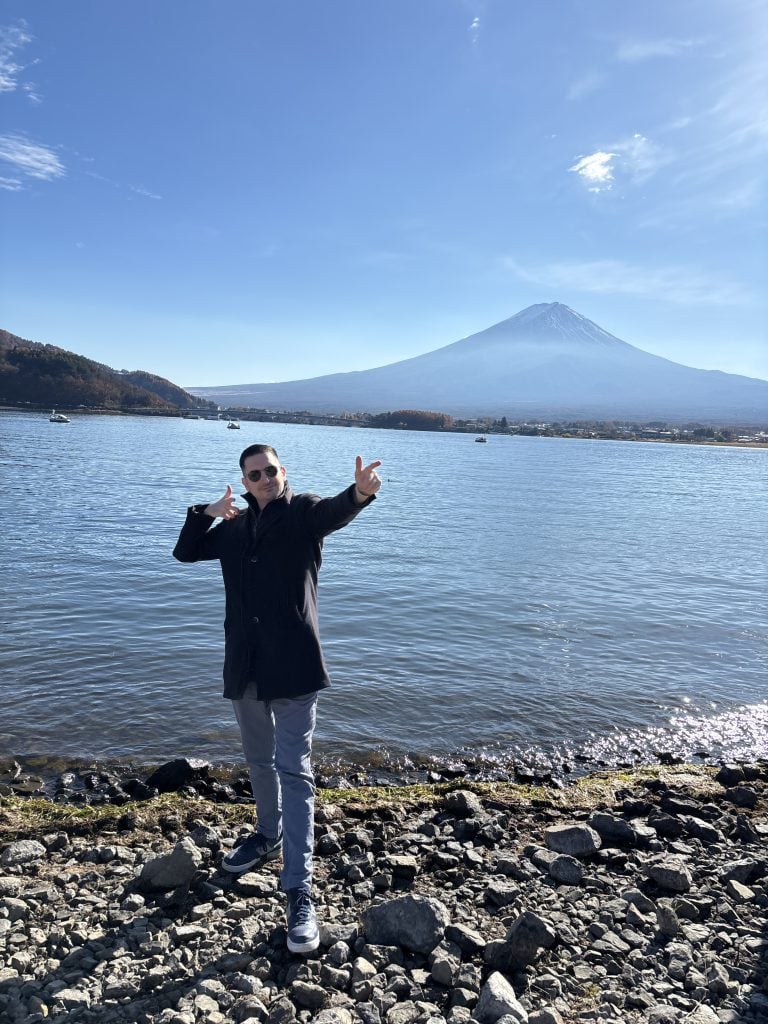
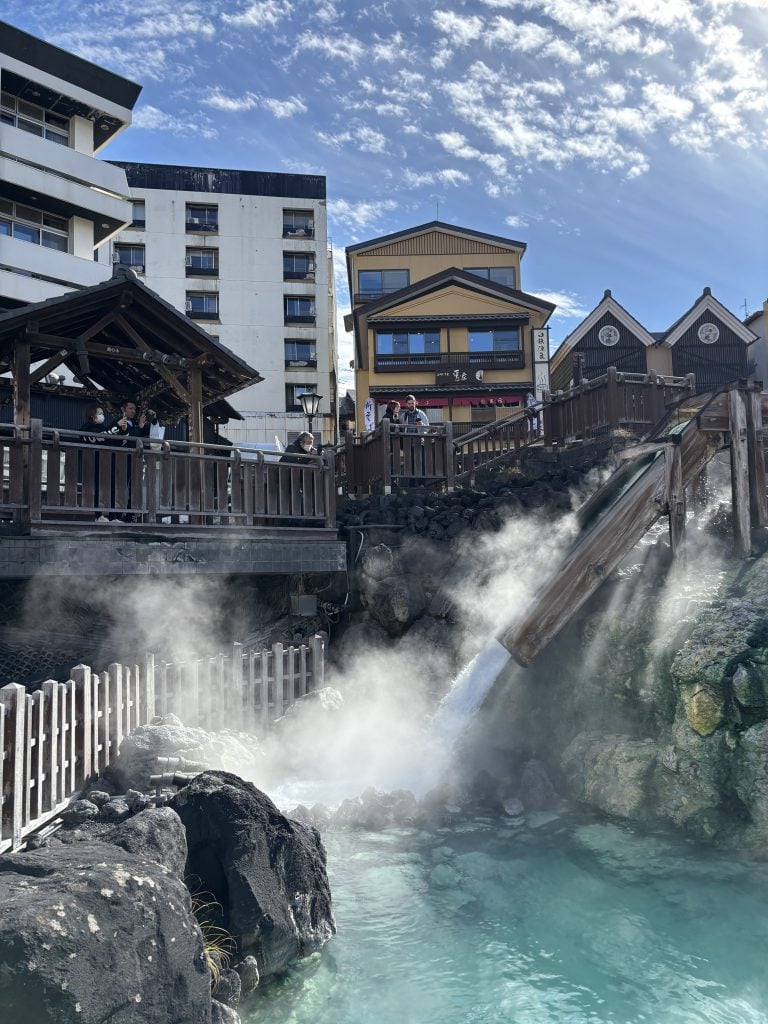
Of course, I made the most of my free time to explore Tokyo and wander around quieter parts of the city. Slowing down like that helped me get a real feel for the city’s energy. I also took the odd trip out of the capital: in autumn to Kusatsu, a beautiful village famous for its onsen, and in winter to Hokkaido for the snow and the amazing Yuki Matsuri.
After almost nine months in Japan, what has the experience taught you, personally and professionally?
Personally, it bore out a saying I’d heard a few years earlier: “Twenty years from now, you’ll be more disappointed by the things you didn’t do than by the ones you did.” After spending nearly my whole life in Europe, I wanted to see something different, and I needed to give Japan a go, whatever happened.
Professionally, the frustration of not managing to get a finance job in Japan taught me how much languages matter in today’s world: they can open the door to the best jobs. And I don’t just mean Japanese, but Spanish, German or Chinese too.
These days, English is no longer a real advantage: it’s the bare minimum, and not having it can close a lot of doors. Basically, speaking it stops you being ruled out early on more than it gets you the job you applied for.
Looking back, is there anything you’d have done differently before or during your working holiday, especially for your career plans?
Looking back, I’d have changed two things.
The first, and the most important, is about Japanese. For one thing, if I could do it again, I’d start online Japanese classes back in 2020 and put real time and money into them. With five years of regular study, not necessarily intensive, you can definitely get to the equivalent of JLPT N2, or even N1 if you’re really determined. That would make it much easier to find a job, even in a big city like Tokyo.
Even though I arrived without speaking the language, I also think it would have made much more sense to enrol in a school offering intensive Japanese for my first six months. I’d have improved faster and met even more people.
Above all, contrary to what I expected, when you arrive in Japan and start applying, you probably won’t be swamped with interview invitations. So if you do get one, you’ll have plenty of flexibility to fit it in outside your class hours.
Secondly, I’d have trusted recruiters a lot less. Never forget that they’re salespeople first and foremost. Even if you don’t speak Japanese, they’ll never tell you they’re not interested in your profile, or that you’ve got very little chance of finding what you’re looking for. They’ll just mention that not speaking Japanese is a drawback, but they’ll try to reassure you by saying they’re keeping you in their database and will get in touch as soon as they have something for you.
Spoiler: that will probably never happen. Their goal is to place as many candidates as possible on high salaries, to earn more commissions, and bigger ones. A candidate who doesn’t speak Japanese is harder to place, and above all, jobs open to English speakers usually pay less, because the market is heavily tilted towards employers. I once saw a salary double between a French bank and a Japanese bank, simply depending on whether the job required Japanese.
Lastly, in my experience, there’s no point taking out Globe PVT top-up health insurance when you go to Japan. As the website says, Japan’s national health insurance is compulsory anyway, and very affordable, since you won’t be declaring any income for the previous months. When I compare what the top-up insurance cost me (about €500) with what it paid out for my healthcare (a tenth of that), I think I lost out. So in my opinion, you’re better off keeping that money for activities and travel while you’re there.
What advice would you give future working holiday makers who want to go to Japan with career plans, especially those who don’t speak Japanese yet?
As you’ve probably gathered from my other answers, I strongly recommend starting to learn Japanese as early as you can before your working holiday. It can only help, both with finding work and with everyday life.
If you still want to arrive without Japanese, as I did, take intensive Japanese classes for the first six months. If you find a job during those six months of study, remember that the working holiday visa isn’t tied to your school. So you can stop your classes and start your new job. Keep in mind that a working holiday gives you more freedom over your working hours than a student visa, so make the most of it.
Finally, if you’re determined to stay in Japan long term but can’t get a skilled job in your first two years, you have two options.
The first is to take a job that’s more about paying the bills, in a konbini or a French or Western restaurant. Personally, I always ruled that out, because it wasn’t at all what I wanted to do in Japan or the life I wanted there.
The second only works if your English is native or extremely close to it: becoming an English teacher, ideally in a sparsely populated prefecture. The bar is very high, since of course lots of foreigners in Japan speak English, and these jobs are also very badly paid. But if you work outside the big cities, the pay should still easily cover your rent and food, and you’ll meet some wonderful people while your Japanese comes on in leaps and bounds.
What are your plans now?
I came back to Europe and started working at a finance company in Warsaw, Poland, because I wanted to experience another new country and, above all, get my career back on track. I really enjoy this new life, but my dream of living in Japan for a few years hasn’t gone away.
I still study Japanese seriously every week, and I hope to go back within five years with a great job lined up, thanks to more experience and solid Japanese.





0 comments
{{like.username}}
Loading...
Load more