












Valentine’s story was first published in French in November 2026. Prices are from that time.
Editor’s note: Valentine is French, so the visa she mentions (an e-visa for Russia) was what she needed as a French citizen. Check the rules for your own nationality before you plan a route like this.
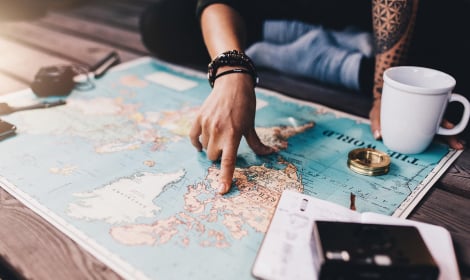
Valentine set herself a slightly crazy challenge: getting from France to Taiwan without flying!
Her trip took 40 days and cost just under €1,000 all up. Here she shares her route and her tips.
Hi! Can you tell us a bit about yourself?
Hi, I’m Valentine, I’m 25 and I’ve been living in Taiwan for almost a year.
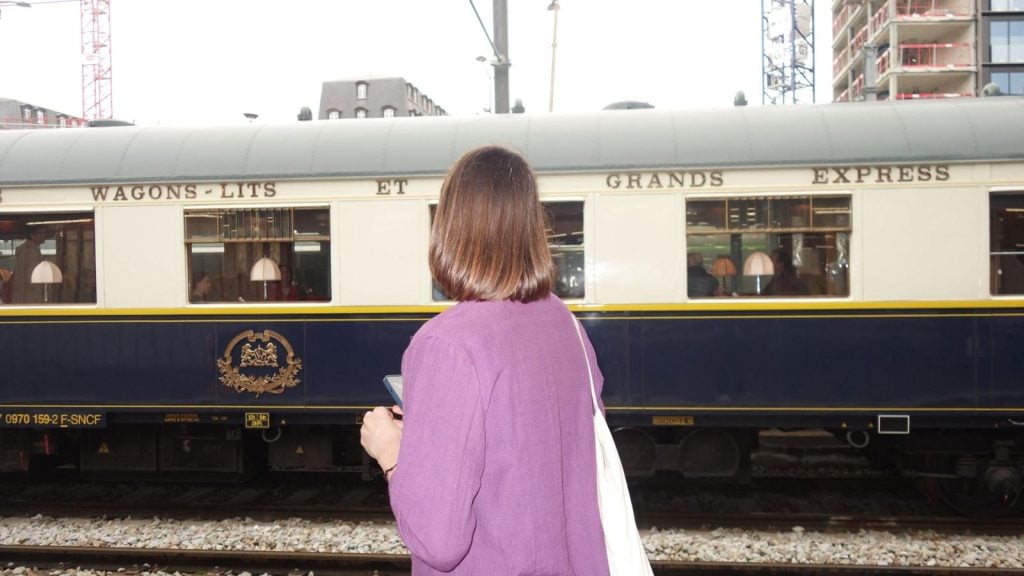
You went to Taiwan by train. Why?
The school I was studying at offered grants to students who travelled to their exchange destination by something greener than a plane.
I’d wanted to travel around the world for a long time, and my Instagram feed was full of inspiring French people travelling the world without flying. So I went for it!
What was your route? Which countries did you go through?
I left Bordeaux at the start of January 2026. I went up through Northern Europe and into Russia via Estonia to ride the legendary Trans-Siberian. After that came the Trans-Mongolian, which links Mongolia and China. Finally, I caught a ferry and reached Taipei in mid-February, just in time for Chinese New Year!
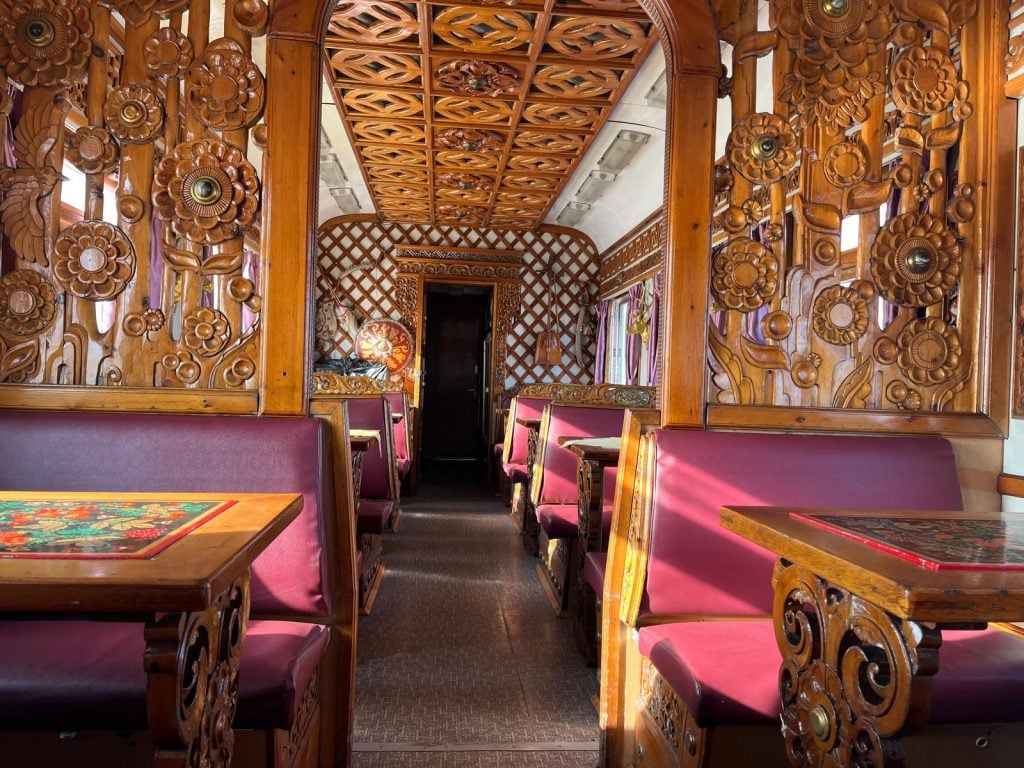
On the Trans-Mongolian, in Mongolia
Ironically, the only transport problems I had all happened on the very first day.
I’d planned to take a bus from Paris to Hamburg, but my train from Bordeaux to Paris was three hours late. I missed my first bus and ended up going via Amsterdam so I could still reach Hamburg on time the next day.
From Hamburg, I took a night train to Copenhagen. Then another one (an electric one!) from Copenhagen to Stockholm.
From Stockholm, I slept on a cruise ferry to Tallinn, and from there I took a bus to St Petersburg.
Next, my first Russian train took me to Moscow, where I boarded the Trans-Siberian for 5 days, long enough to reach Ulan-Ude, on the border with Mongolia.
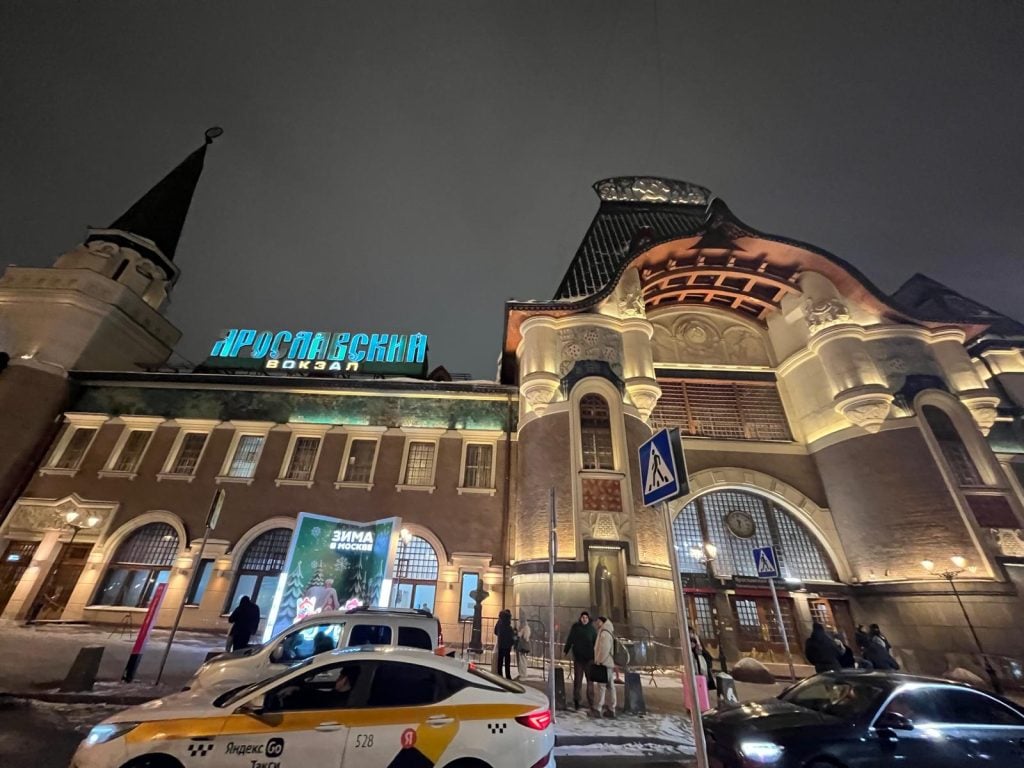
The station in Moscow where the Trans-Siberian leaves from
After that, another bus took me to Ulaanbaatar, where I caught the Trans-Mongolian straight through to Beijing.
More trains got me to Shanghai, then to Fuzhou, a pretty coastal city and the closest Chinese city to Taiwan.
From there, I took one boat to Nangan (in the Matsu Islands), then another to Keelung.
From Keelung, it was easy to get to Taipei on a local train!
How long did the trip take? Can you walk us through each leg?
The trip took about 40 days in all, because I spent quite a lot of time in China, but you can do it in much less time: 15 to 20 days is plenty to fit it all in.
I stayed about 2 or 3 days in each city along the way. Since you travel at night, that leaves your days free for sightseeing.
The night trains take about 7 hours on average.
You need to allow 16 hours on the ferry from Stockholm to Tallinn, about 14 hours on the bus from Tallinn to St Petersburg (there’s a lot of waiting at the border), then 6 hours on the night train from St Petersburg to Moscow.
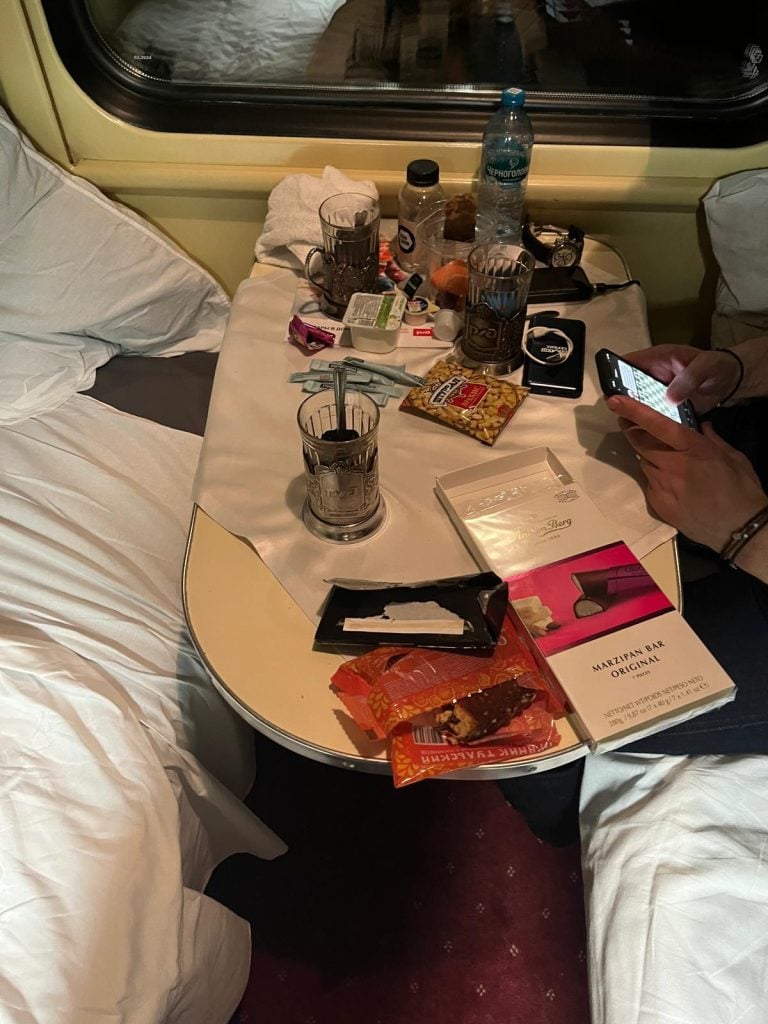
The night train from St Petersburg to Moscow
On the Trans-Siberian, you can go from Moscow to Ulan-Ude in 5 days without stopping, but it’s more comfortable to break up the journey once or twice!
I stopped halfway, in Perm, a pretty city west of the Urals. It was stunning in winter, even though the temperatures in February are extreme.
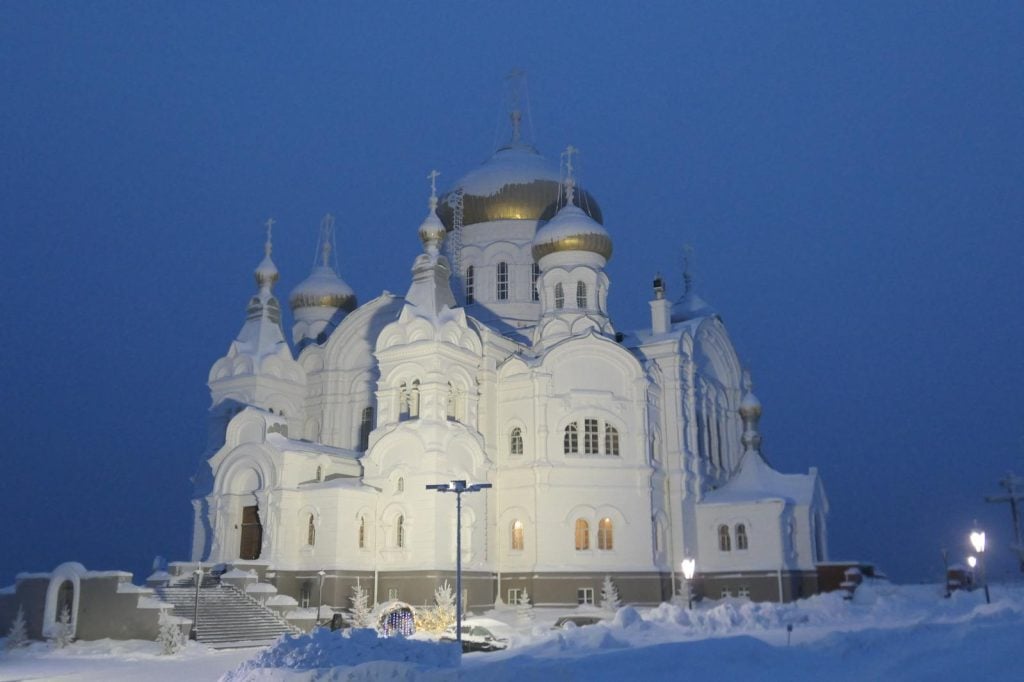
A monastery near Perm, a stop along the Trans-Siberian route
To get to Ulaanbaatar, allow 12 hours by bus, then the Trans-Mongolian takes a day and a half to reach Beijing.
From Beijing, getting to Fuzhou by train is easy and takes just over 11 hours, then you need two days for the ferries.
Most of the time, you have to spend the night on Matsu (which is part of Taiwan) and wait for the next day’s ferry to Keelung, on Taiwan’s main island. I didn’t try it, but apparently on Sundays you can do both ferries on the same day.
How did you plan the trip? Are there any resources you’d recommend?
To plan the trip, I got a huge amount of help online from L’Alibi, a great French community of low-carbon travellers on Discord. They share guides to their own journeys, practical tips for each country and type of transport, cultural tips for the places along the way, and much more.
That meant I could draw on the experience of people who’d already travelled from Paris to Asia by train, especially one person who’d done Paris to Taiwan and written up the whole journey brilliantly. It was really useful!
Apart from that, I planned the trip in Excel to keep track of prices and journey times, and booked the biggest legs in advance, especially the Trans-Siberian, the ferries and the night trains in Northern Europe, as well as my accommodation.
I also had to think ahead about cold-weather gear, as it can be brutally cold at that time of year, and the digital side of things: making sure I could withdraw cash, have a SIM card with data in every country and download the right translation dictionaries.
📶 Taiwan eSIM deal: 5% off Holafly’s unlimited data eSIM with the code PVTISTES. Get the deal
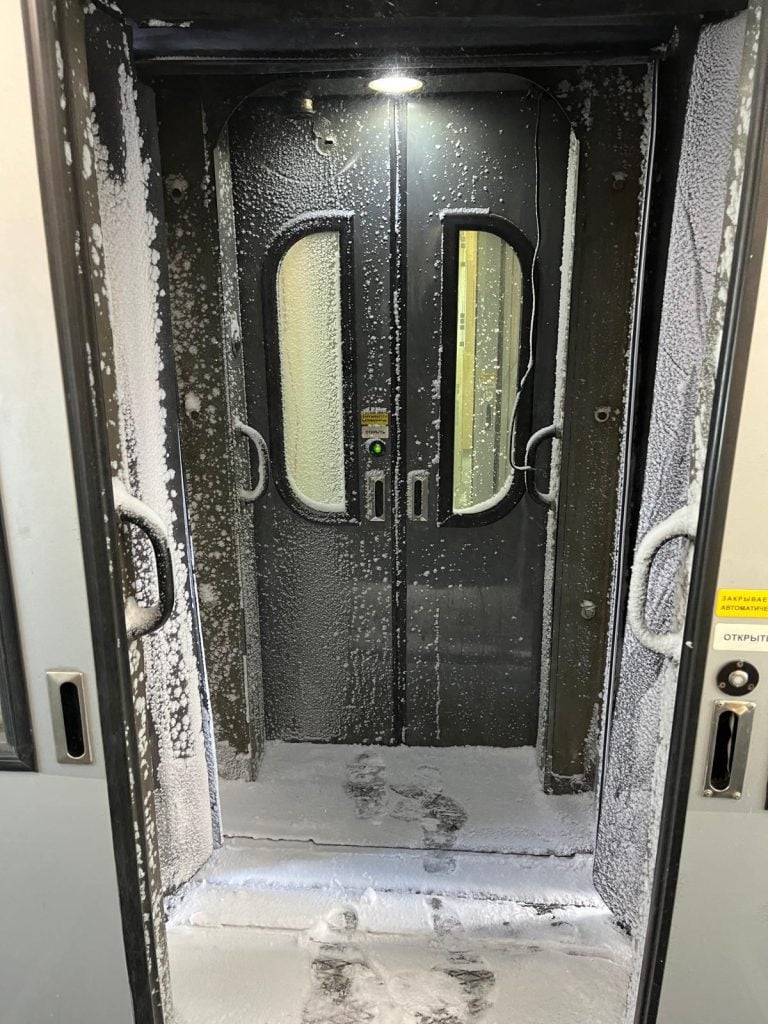
To give you an idea of the cold: some empty carriages were out of order, and everything inside had frozen solid!
The Lowtrip website also helped me sketch out my route on a map, and compare the CO2 emissions of my journey with a one-way flight, which would have produced almost 4 times as much.
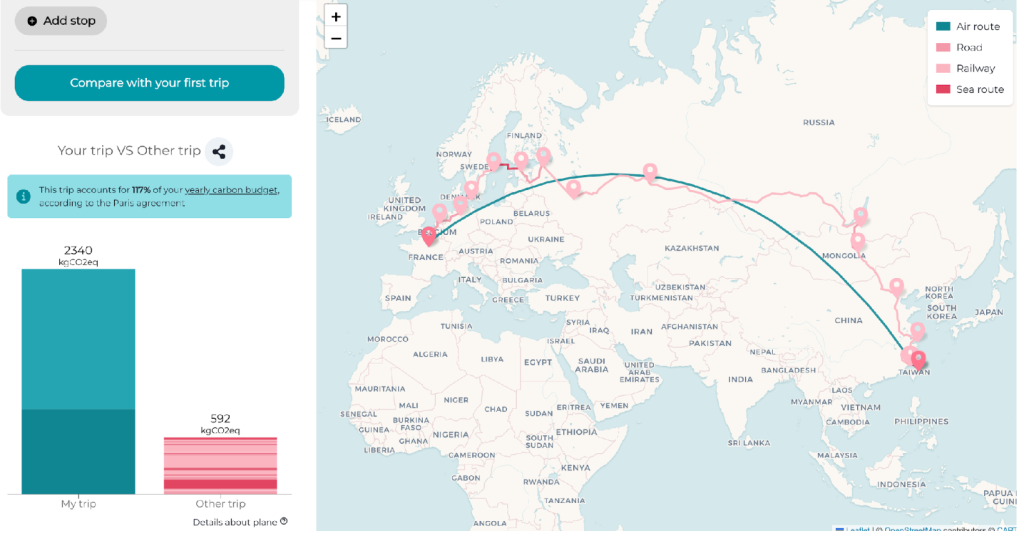
There are also handy apps for planning train journeys, like Hourrail (for Europe).
How far ahead did you start planning?
I started organising the journey about a month before I left. I didn’t need any visas apart from an e-visa for Russia, which takes 4 days to come through.
Was it a hard trip to plan?
It can take a while if you want a clear idea of the whole route before you leave, but thanks to the community’s advice, it was much easier than I’d expected!
Which parts of the trip were hardest to organise?
Honestly, there weren’t any big problems. Thanks to other people’s experiences, I knew what to expect from the journeys, the connections and the border crossings.
In Mongolia, it’s hard to book online in advance. Most bookings are made in person, so I had to buy my tickets the day before and hope there’d still be seats.
What was in your bag?
I took a big backpack and a tote bag for my personal things, ID and devices.
I didn’t need a sleeping bag or any camping gear, because I only stayed in hostels.
My basic kit was a pair of hiking boots, a pair of trainers and almost nothing but cold-weather clothes (it got down to -35°C in Russia!).
How did you manage food? And washing?
For food on the trains and buses, there were always supermarkets where I could stock up, and since I took lots of night trains and buses, I had time to eat in town before leaving.
If you’re vegetarian, there are apps like HappyCow that list vegetarian restaurants in loads of cities. You can also find Google Maps lists for each country.
On the Trans-Siberian and the Trans-Mongolian, everyone brings a stash of instant noodles, because the train provides hot water. It’s also really nice to have snacks to share with the people in your compartment. When you spend more than 48 hours on a train without getting off, mealtimes very quickly become sacred.
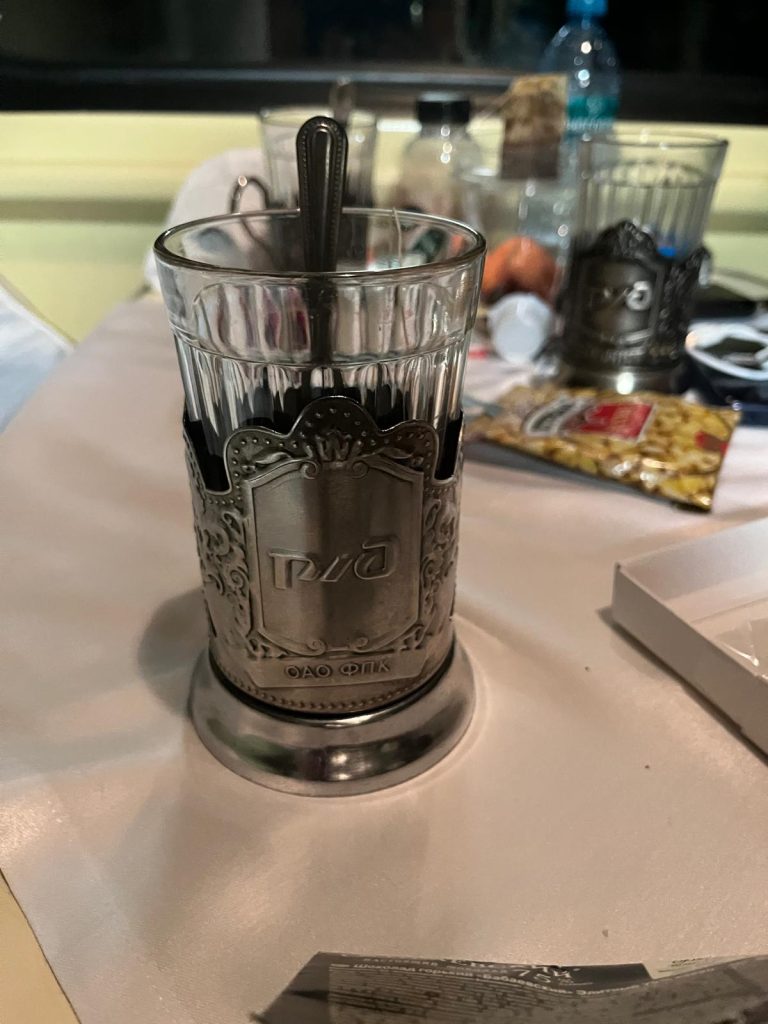
The Trans-Siberian’s famous glasses
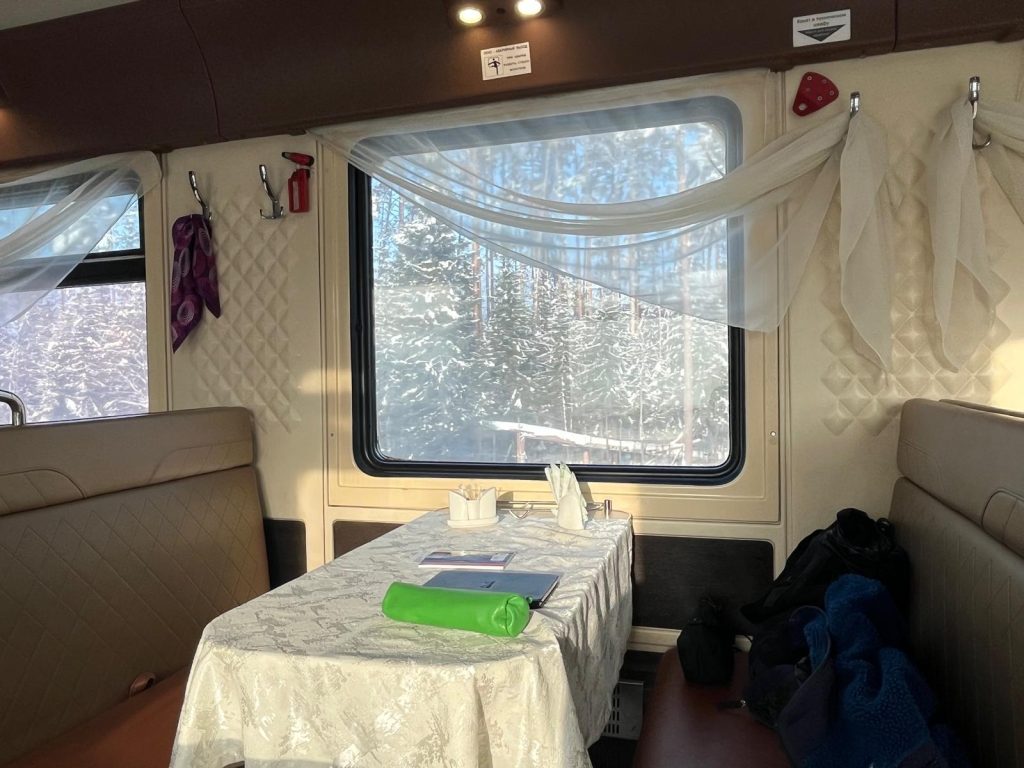
The dining car on the Trans-Siberian
As for washing, I stopped at hostels regularly, so I could shower every evening. The hard part was spending several days in a row on the train.
The Trans-Siberian has showers, but they’re pretty basic, and usually in the toilets.
Some trains have no shower at all, just toilets. So it’s not exactly comfortable, but they’re cleaned regularly.
You don’t always fancy washing over a toilet, let alone a train toilet, but they’re fairly clean.
On the other hand, the public toilets in Russian and Mongolian stations were pretty dirty. You’re better off waiting until you’re on the train.
Also, it’s very hot on the train, so you get sweaty fast! Pack a light T-shirt. It’s quite a contrast with the clothes you need outside, where it’s -30°C.
How much did the trip cost?
Here’s what I paid for each leg of the journey. Altogether, the trip cost me €986, which is 1.5 times the price of a direct flight. But you see so much more!
| Route | Transport | Date | Price paid | Price in euros** |
|---|---|---|---|---|
| Paris-Hamburg | Bus | 08/01/26 | €43.98 | €43.98 |
| Hamburg-Copenhagen | Train | 11/01/26 | €62.99 | €62.99 |
| Copenhagen-Stockholm | Train | 13/01/26 | SEK 781 | €73.52 |
| Stockholm-Tallinn | Ferry | 15/01/26 | €75.99 | €75.99 |
| Tallinn-St Petersburg | Bus | 19/01/26 | €50 | €50 |
| St Petersburg-Moscow | Train | 20/01/26 | RUB 3,587 | €39.46 |
| Moscow-Perm | Train | 22/01/26 | RUB 9,370 | €103.08 |
| Perm-Ulan-Ude | Train | 23/01/26 | RUB 19,648 | €216.14 |
| Ulan-Ude-Ulaanbaatar | Bus | 27/01/26 | RUB 3,000 | €33.16 |
| Ulaanbaatar-Beijing | Train | 29/01/26 | MNT 338,200 | €80 |
| Beijing-Shanghai | Train | 06/02/26 | CNY 699 | €85.47 |
| Shanghai-Fuzhou | Train | 09/02/26 | CNY 374 | €45.73 |
| Fuzhou-Keelung | Ferry | 14/02/26 | CNY 630 | €77.03 |
| Keelung-Taipei | Local train | 14/02/26 | / | / |
| TOTAL | €986.55 | |||
Do you think this is a trip you need to plan ahead, or can you take it day by day?
I think it really depends on your personality and, above all, on how much time you have.
I don’t usually plan ahead, but this was my first time travelling alone through so many countries, with so many languages I don’t speak. So I found it reassuring to have a plan to fall back on.
Booking a few things in advance took a real weight off my mind. Sorting everything out on the road would have been hard, especially with so little time between one country and the next.
Other people set off without booking anything, so they’re free to stay longer somewhere if they want to.
But I think this kind of trip is hard if you have to arrive by a certain date. Since you can’t always book ahead, you may have to push your plans back, sometimes by several days, because some buses and trains only run once or twice a week, like some of the ones in Mongolia.
You also need to keep in mind that the countries you go through are very different in climate, language, customs, way of life and safety rules. It can be disorienting, which is why I think it’s always better to be over-prepared, or at least over-informed, than under-prepared.
Is there anything you’d do differently?
I’d have liked to stay longer in each city and plan what I wanted to see in advance, so I didn’t feel like I had to start planning the next leg as soon as I arrived somewhere new.
I wouldn’t take the “cruise” ferry between Stockholm and Tallinn again if there were another option. In the middle of winter, there’s nobody on that huge boat, and it makes for a slightly strange experience.
I’d also have liked to connect more with other travellers in each city, for example with apps like Hostelworld, which puts backpackers staying in the same place in the same group chat.
Lastly, I think it’s important to try to learn a few basic words in the language of each country you go through, just to be polite.
You travelled alone as a woman on a route that has a reputation for being quite dangerous. How did that go?
I never felt in danger during the whole trip. All the countries I went through felt fairly safe, and I made sure I only booked women-only dorms in hostels.
In Estonia, Russia, Mongolia and China, people were very surprised to see a female backpacker at that time of year, and the stares could be a bit unsettling at times, but I didn’t really come across anyone with bad intentions.
I’m not sure if it was because I was a woman on my own, but most of the people I met on the trains were especially kind and welcoming. Several times, people offered to translate for me, show me around or take me into the city centre, or invited me to share a snack or a family meal.
On the Trans-Siberian, I took a 4-berth compartment rather than the big open-plan carriages. The train wasn’t full in winter, so it was all chatting and card games. It had a real family feel.
What’s your best memory of the trip?
Overall, I loved seeing all these countries in winter, covered in snow. There’s a very special atmosphere, and the landscapes were completely new to me.
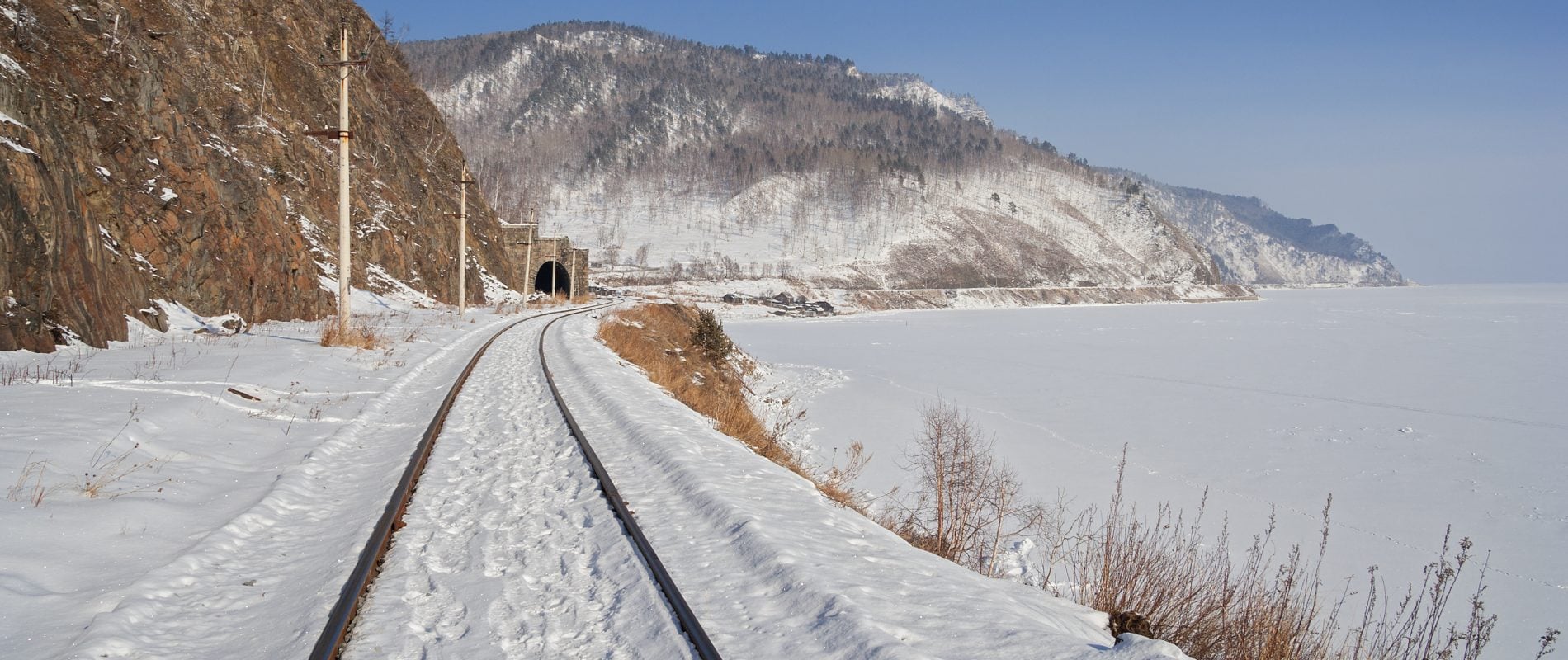
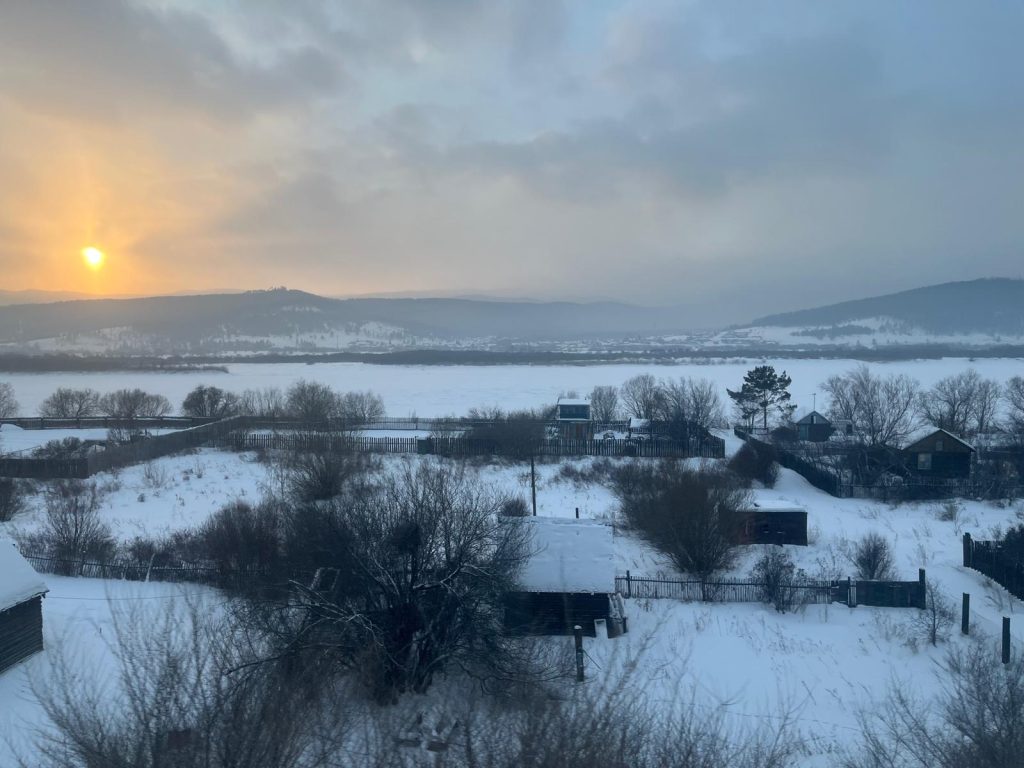
Without a doubt, the two journeys on the Trans-Siberian and the Trans-Mongolian are my best memories. I’ll never forget the view of snowy Siberia and Lake Baikal from my window, or watching the climate slowly change as we reached the Mongolian steppe!
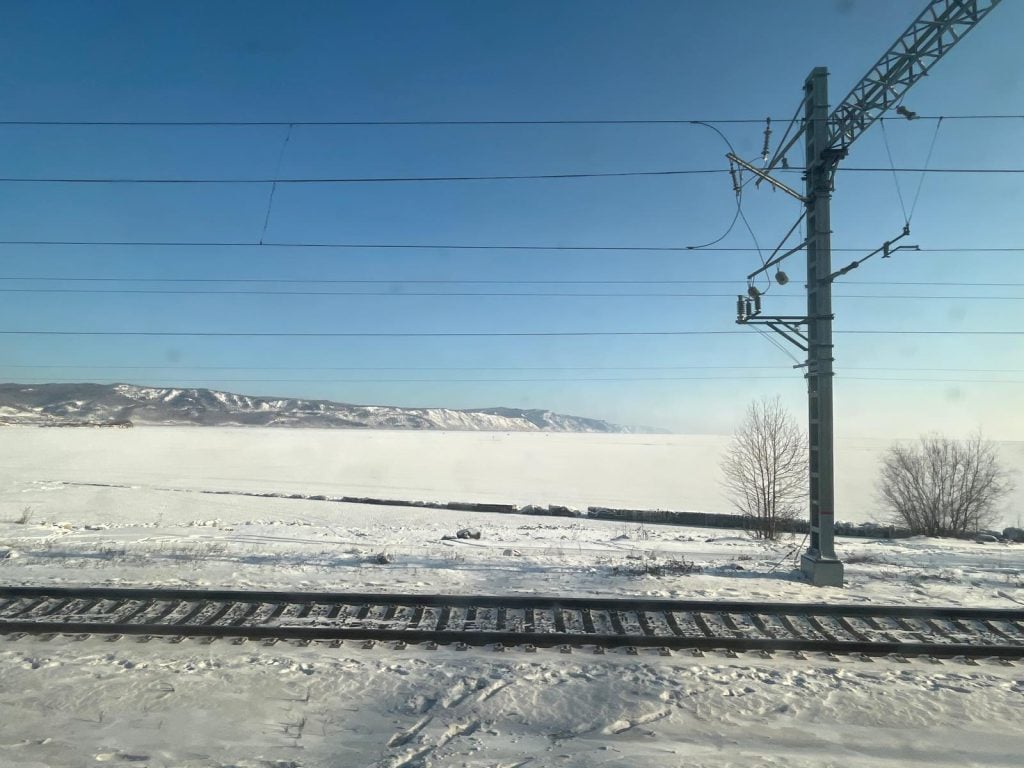
Lake Baikal






0 comments
{{like.username}}
Loading...
Load more