













Coming to France on a working holiday? Want to settle in a city for a while? Sooner or later, you’ll have to answer the big question: which one?
One way to decide is to see which cities the French themselves like best. In a poll carried out by the BVA polling firm for France’s regional newspapers, French people rated the country’s biggest cities. Corsica and France’s overseas territories weren’t part of the poll.
Paris comes out on top!
The capital takes first place, rated favourably by 52% of people. The French love to complain about Paris (whether they live there or not), yet it made the top 3 in 20 regions of mainland France. People in the Midi-Pyrénées region ranked it fourth. Bordeaux comes second, liked by 37%. The South does well too: Toulouse is third (33%), followed by Montpellier (31%), and Lyon rounds out the top 5 with 30%.
Nantes and Strasbourg tie for sixth place, followed by Nice and Lille. Marseille comes last, with 15%. Respondents chose from a set list, so cities like Rennes, Grenoble and Toulon didn’t feature.
Local favourites
Some of these cities are hugely popular with people from their own region. For example:
- People in Aquitaine love Bordeaux: 80% of locals rate it favourably.
- In neighbouring Poitou-Charentes, Bordeaux is also the top pick, with 67% approval.
- In the Rhône-Alpes region, Lyon is the favourite, with 70% approval.
- Nantes is the favourite big city in the Pays de la Loire region, liked by 77%.
- Lille is especially popular in the Hauts-de-France region.
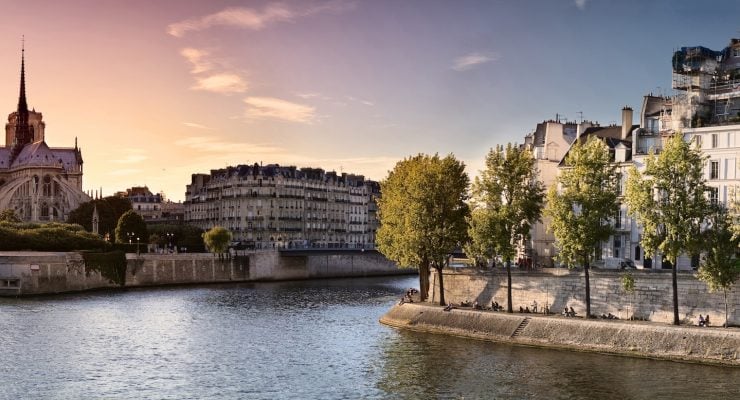
1. Paris

Pros:
- The City of Light never sleeps. With its cultural sights and endless events, you’ll never be bored.
- It’s a very international city, with people from all over the world.
- From Paris, it’s easy to get to any region of France or anywhere else in Europe.
Cons:
- As the capital, it’s far more expensive than other big French cities. Rent in particular will take a big bite out of your budget.
- Paris is one of the most visited capitals in the world, so it gets extremely crowded, especially in peak season. Tourist areas, museums and even public transport are packed.
- Where there are tourists, there are pickpockets. You don’t need to be on edge all the time, but keep an eye on your things in crowds.
2. Bordeaux

Pros:
- Bordeaux is known for its excellent quality of life and regularly features in rankings of France’s best cities. Foodies and wine lovers will be in heaven.
- It’s close to the Atlantic and within reach of the Pyrenees, which makes it a good base for hikers and skiers.
- This charming city in Nouvelle-Aquitaine has a wealth of history and beautiful architecture.
Cons:
- The quality of life is excellent, but life in Bordeaux isn’t cheap.
- Bordeaux is a magnet for tourists too. In peak season it gets busy, and some neighbourhoods get noisy.
- The weather is generally pleasant, but it can be grey, and with climate change the rainy spells have become even heavier.
3. Toulouse

Pros:
- The “Pink City” is a great place to live, with a mild climate and lots to do outdoors nearby.
- It’s one of France’s biggest university cities, so it’s full of young people and has a real buzz.
- Toulouse sits between the Mediterranean and the Pyrenees, a good compromise if you can’t choose between the sea and the mountains.
Cons:
- It’s a big city, but Toulouse isn’t known for its cultural diversity. If you’re after a melting pot, it might not be for you.
- It’s a fair way from Europe’s major cities, which isn’t ideal if you plan to travel a lot.
- All that sunshine means hot summers. It’s not unusual for temperatures to go above 35°C.
4. Montpellier

Pros:
- Montpellier is one of the sunniest cities in France. The sun shines all year round, so you won’t be short of vitamin D. And when it does rain, you’ve got the perfect excuse to stay in and do nothing.
- It’s a student city that draws lots of young people and foreigners every year. As a working holiday maker, you’ll love the party scene and the international crowd.
- Montpellier also has a rich cultural life, with plenty of events, museums, festivals and street art. You won’t get bored in this southern city!
Cons:
- Montpellier has very few green spaces. Nature lovers may struggle, especially without a car.
- All those students mean noise and light pollution, especially at night. If you want peace and quiet, Montpellier may not be the best choice.
- Spain and the Côte d’Azur aren’t far, but Montpellier is a long way from many other big French cities, Paris included.
5. Lyon

Pros:
- In case you didn’t know, Lyon has been ranked the top city for getting around on foot. You won’t need a car: public transport is pretty good, and there are plenty of parks to wander through.
- When it comes to food, Lyon beats Paris, no question. Your taste buds won’t be disappointed.
- With the sea and the mountains both within reach, getting away is easy. A weekend on the slopes or at the beach? Your call!
Cons:
- The Lyonnais are famously proud of their city and can be quite parochial, so making friends may take a bit more effort.
- Lyon isn’t a huge city, but the roads are busy with cars and bikes alike, so it can be noisy.
- With a big population and lots of students, competition for housing is fierce.
6. Nantes

Pros:
- Nantes is known as a green city, with lots of parks. It’s close to the sea, too.
- It’s much more affordable than some other French cities, especially when it comes to rent.
- Nantes is a manageable size, and it has a friendly, upbeat vibe.
Cons:
- Nantes has an oceanic climate: it rains year-round, and winters are very damp.
- Sadly, some neighbourhoods have a reputation for not being safe.
- Property prices keep changing as more people move to the city every year.
7. Strasbourg

Pros:
- Right on the border, Strasbourg lets you enjoy both French and German culture. And why not pop over to Switzerland for the weekend?
- The city has excellent transport links, especially by train, so other big European cities are easy to reach.
- Its traditional Alsatian houses will win you over, and the city is a UNESCO World Heritage site. History and culture are everywhere you look.
Cons:
- Winters are damp and bitterly cold, which makes them hard going.
- Strasbourg is a popular destination, especially for its Christmas market, and the crowds can make life harder for locals.
- Life here is fairly expensive, though not as expensive as Paris.
8. Nice

Pros:
- On the Côte d’Azur, Nice enjoys beautiful weather all year. It’s every bit as sunny as Montpellier.
- Squeezed between the Mediterranean and the Alps, Nice is an outdoor lover’s dream.
- Nice has a large international population, and people there are very open-minded.
Cons:
- Public transport is fairly poor, and the city is quite a long way from other French cities.
- Nice is one of the most expensive cities in France. Rents are high, and so is the cost of living in general.
- Summer brings mass tourism, and the crowds can get to you. The beaches and some sights get packed.
9. Lille

Pros:
- Lille is a lively place, with lots of events and nights out. The sky is often grey, but the warmth of the locals more than makes up for it.
- It’s compact enough to walk everywhere, which makes getting around easy. If you’d rather cycle, Lille has great bike lanes.
- For the globetrotters among you, the capital of French Flanders is ideally placed. With Brussels, London, Paris and Amsterdam close by, travelling is a breeze.
Cons:
- The architecture and cobbled streets are charming, but Lille is short on green spaces for nature lovers, and the area is almost completely flat.
- The grey weather won’t suit everyone, and winters can feel long.
- Housing is in short supply, especially when the students come back. You may need to be patient.
10. Marseille

Pros:
- Down in the south of France, Marseille gets sunshine all year.
- With the sea and the great outdoors on your doorstep, it’s a very pleasant place to live.
- Housing is more affordable than in other big French cities.
Cons:
- Marseille isn’t known as France’s safest city, particularly in certain neighbourhoods.
- Unemployment is higher than the national average, which can make finding a job a bit harder.
- Public transport is patchy, and traffic jams are common.





0 comments
{{like.username}}
Loading...
Load more