







Paul’s story was first published in French in July 2026.
Hi, can you tell us a bit about yourself?
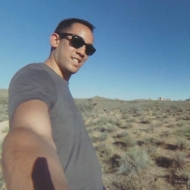
Hi, I’m Paul and I’m 26. I was born in Paris, then moved near Toulouse before settling in Bristol, in England, when I was young. That’s where I live now.
After I finished my studies, I started doing winter seasons back to back, using working holiday visas to live and work in different countries. I’m a professional at avoiding work, and I love travelling, winter sports, adventure and photography.
You did a working holiday in Canada, then one in Japan. What made you want to do two such different working holidays back to back?
It was the snow and snowboarding that hooked me first. Not as a holiday, but as a way of life. I’d also dreamed of seeing Canada‘s mountain landscapes for a long time. So it made sense to start this adventure in British Columbia (in French).
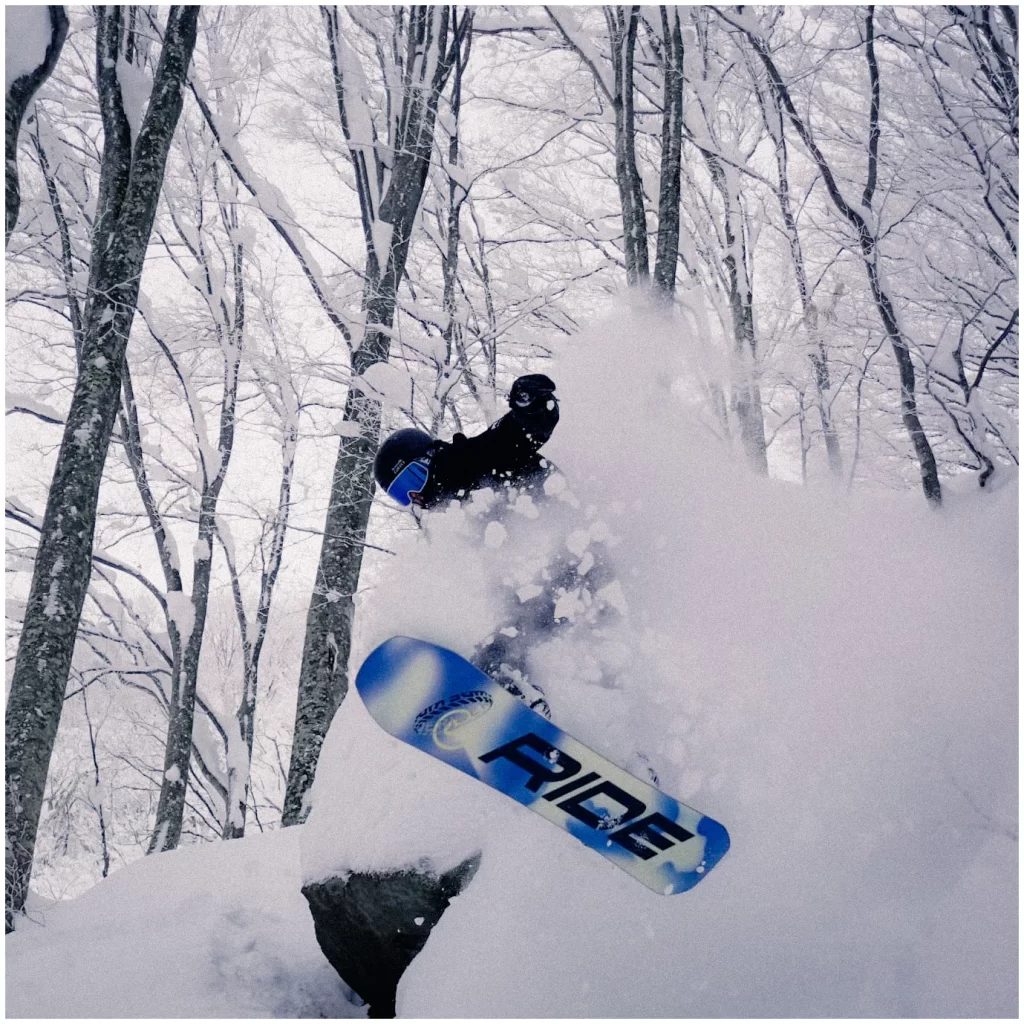
While I was in Canada, I got a real taste for exploring, and I fell in love with that pace of life and the people you meet in that kind of place. I also realised that snowboarding had to be an integral part of my everyday life.
As our Canadian working holiday was coming to an end, my partner and I wanted to keep the adventure going. We set our sights on Japan, another country that fascinated us and that plenty of people say has the best snow in the world.
What kind of work did you do there? Was it easy to find a job?
Mostly hospitality, both front of house and in the kitchen, but also a few other things, like working at guesthouses and painting chalets. It’s often easy to find work at a ski resort, but the real challenge is always finding somewhere to live. Lots of places offer staff accommodation, but then you often end up in shared rooms, at the mercy of your employer…
Did you go on a road trip? If so, what landscapes or moments stayed with you the most?
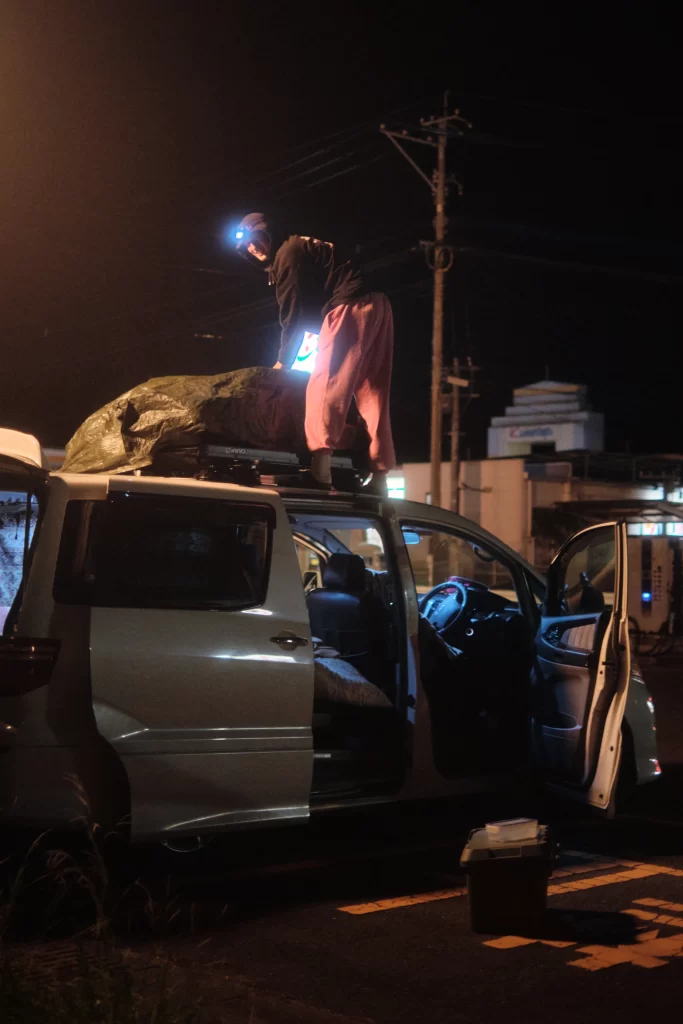
You may notice a bit of a theme running through both my working holidays: lots of nights sleeping in vehicles. Canada is huge and spread out, and without good public transport, you can only really explore it if you have a car (in French).
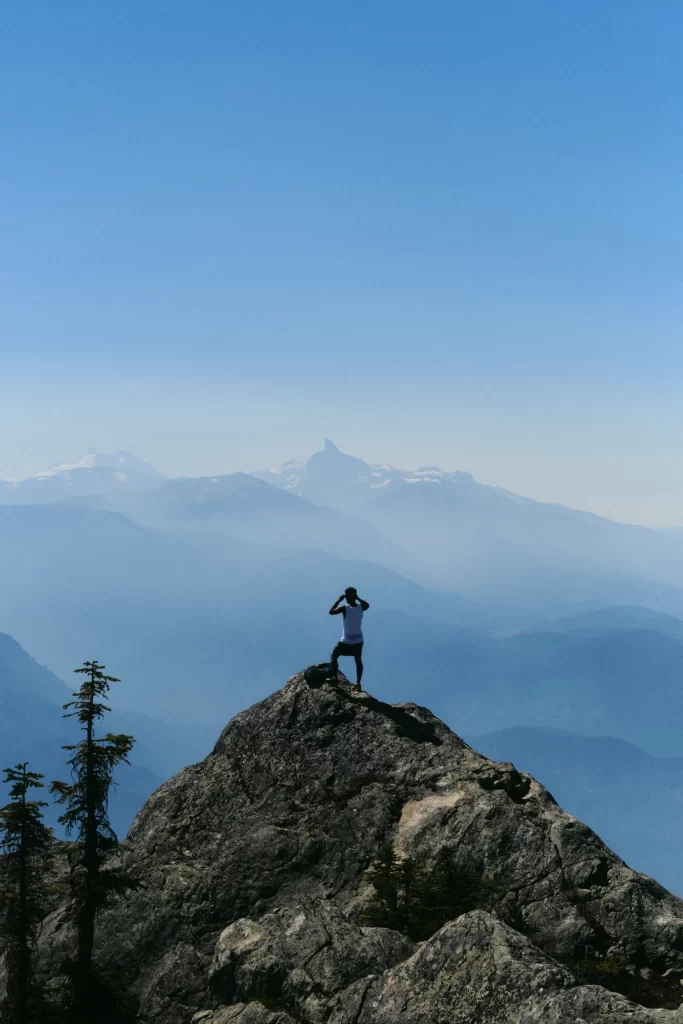
First, there’s the Sea to Sky Highway north of Vancouver (in French), with incredible views of fir-covered peaks plunging straight into the Pacific. The whole Sea to Sky corridor is full of hikes, alpine lakes, saunas hidden in the forest and plenty of other hidden gems.
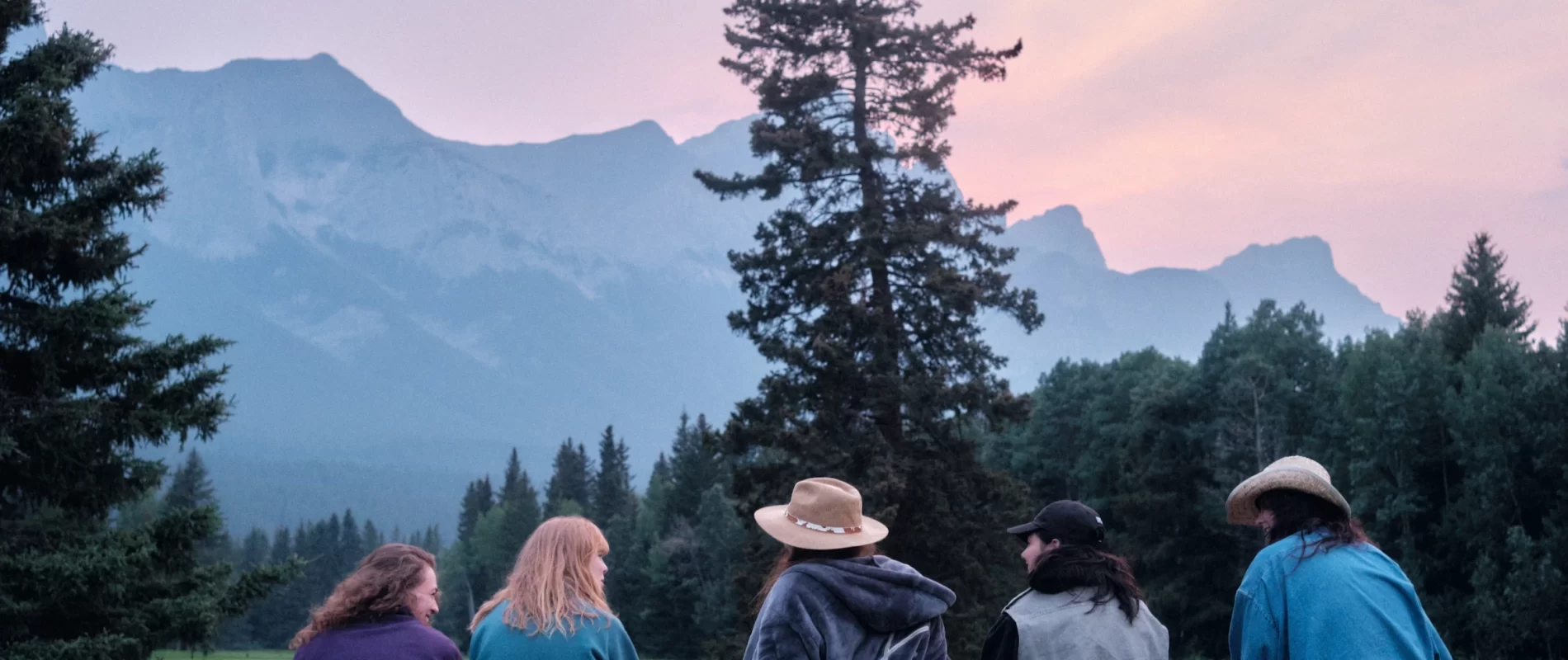
Across the Strait of Georgia, Vancouver Island has a strong van life and camping culture. You can sleep in ancient temperate rainforests, full of red cedars and firs that run all the way down to the surf beaches of Tofino. Crossing the Rockies to the famous Calgary Stampede is something I’d recommend to anyone.
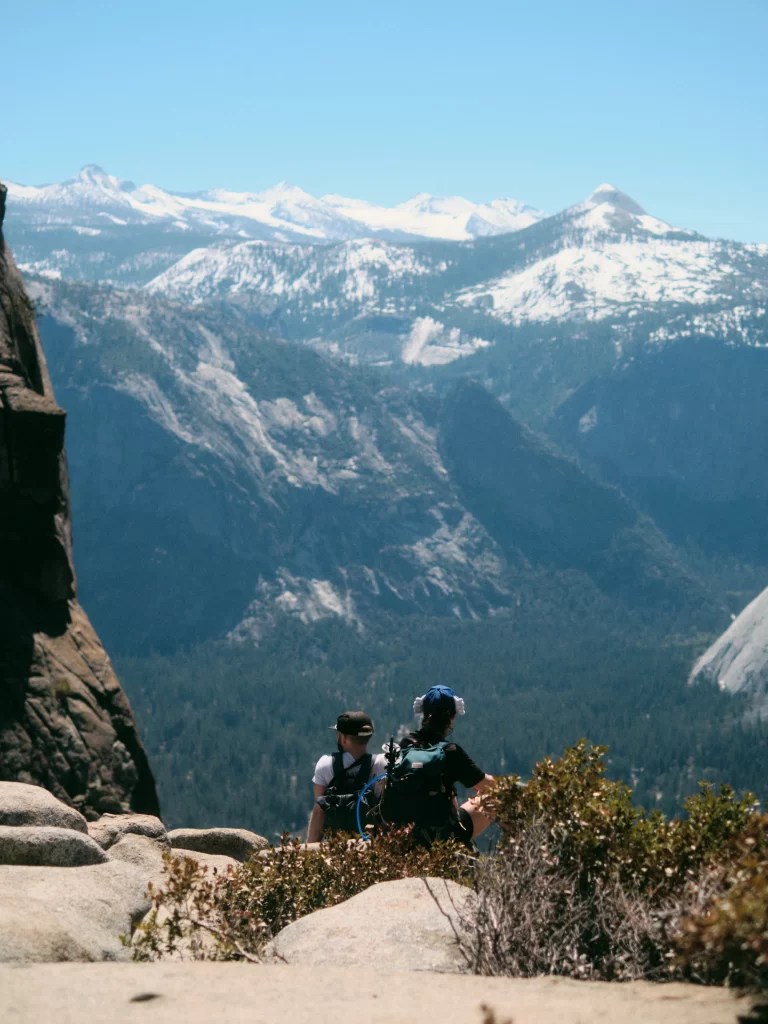
And from BC, we set off on a road trip of about 9,000 km through the States. It’s hard to describe how vast the landscapes are in that part of the world.
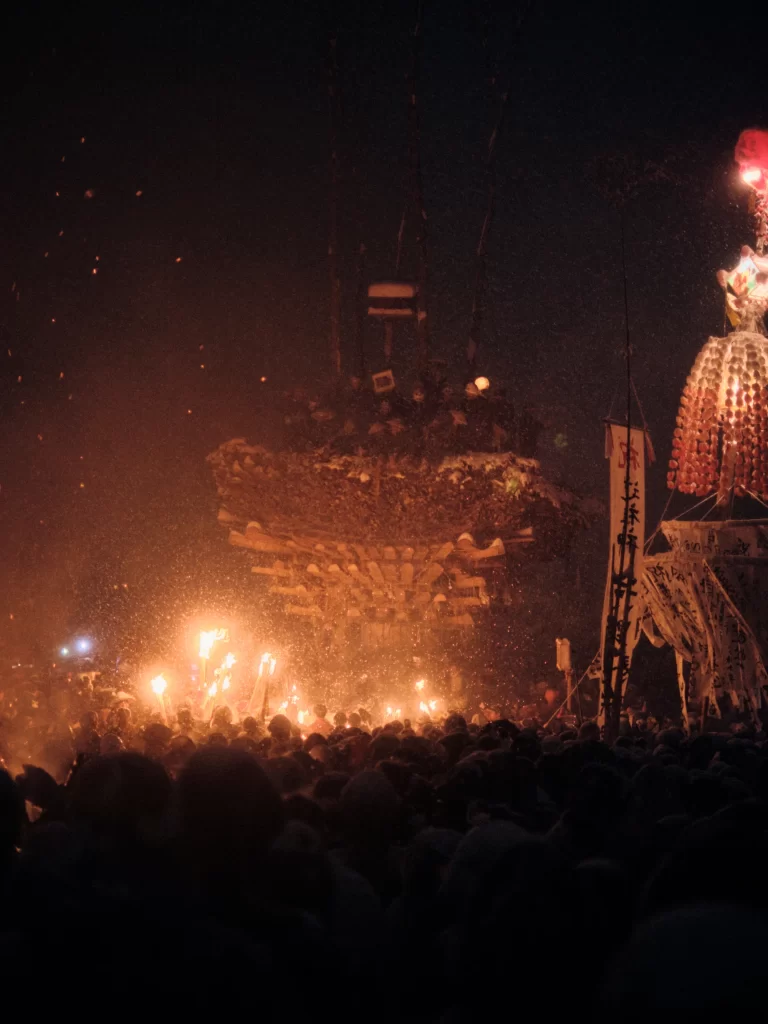
Even Japan, which is smaller than France and famous for its excellent Shinkansen and other trains, has loads of hidden corners and fascinating regions that are hard to reach by rail. Kyushu (in French) in autumn really stood out for us, with its laid-back vibe and stunning scenery: lots of active volcanoes, wild onsen, surf spots and seaside temples.
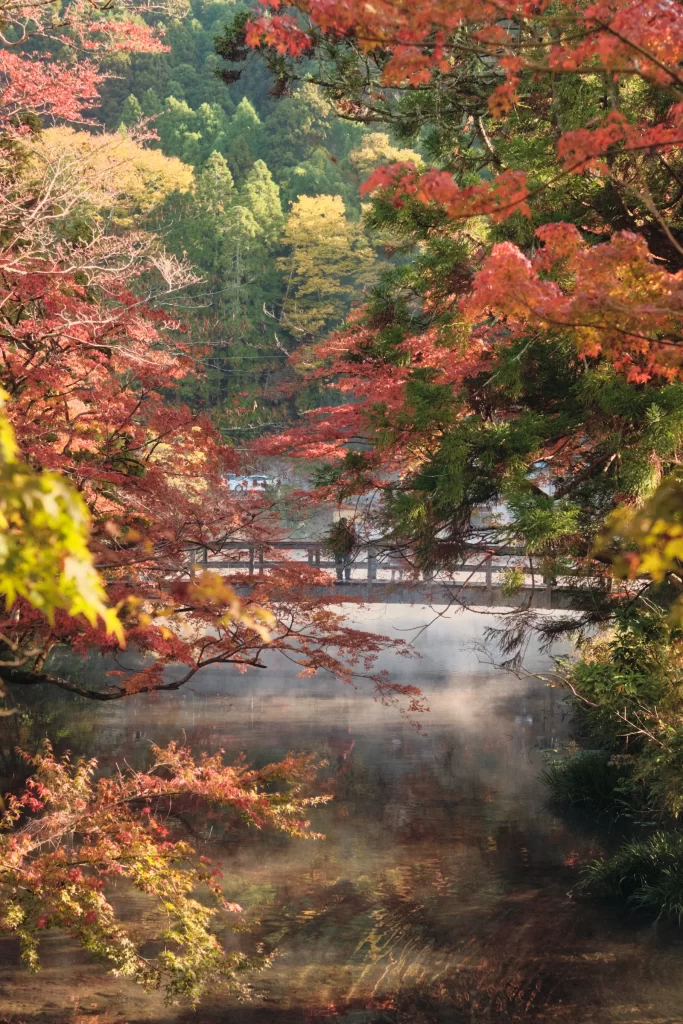
Driving across the country and sleeping in the car for several months, we found the locals in these quieter regions really warm, curious and talkative. We ended up sharing meals with them and getting chatting at michi no eki (roadside rest stops where Japanese people sleep in their cars), and people went out of their way to help whenever we broke down.
Was it harder to buy a car in Japan or in Canada?
It’s a totally different process in each country, and both have their headaches. In Canada, there isn’t much paperwork and you can buy a car very quickly. But there’s no compulsory roadworthy inspection, so you can end up buying a 20-year-old car with no idea what problems it’s picked up over the years.
So you need to know in advance the common faults to look out for on whatever model you’re buying, especially since the best cars can be gone within an hour of being listed. That’s when a mate who’s a mechanic is worth their weight in gold…
In Japan, it’s the opposite: people tend to look after their things and follow the rules very strictly. Inspections are frequent and the penalties are serious if a vehicle doesn’t meet the standards.
The catch is Japanese bureaucracy, which is even more tedious than in France, and nobody will bend the rules even slightly: the tiniest mistake in your paperwork and it probably won’t get past the first check and will be rejected. All in Japanese, of course!
In Japan, are you working in the same field as in Canada? What differences have you noticed at work?
The work cultures in the two countries are very different. Canadians have a healthier relationship with work, especially in the mountains, where people spend lots of time outdoors on all kinds of activities and adventures. Japanese people, with their rigour and dedication, tend to put in long hours and take little time off, for fairly low wages. People are more open and relaxed in the mountains, but it varies from place to place.
But the biggest difference for working holiday makers is the tipping culture in Canada, especially in hospitality. Day-to-day life can be expensive (particularly in places like Whistler or Banff), but a good job lets you earn a decent living and even save money, which is much harder in Japan.
Japan is getting busier, but in general Japanese ski resorts are smaller and get fewer visitors than Canadian ones. I find you notice it on restaurant shifts, which are often less full-on than in Canada.
What advice would you give future working holiday makers heading to Canada or Japan?
Since a working holiday lets you stay and work in these countries for several months, or even several years, I’d strongly recommend buying a vehicle if you can. Both countries will reward you with lots of surprises and experiences if you take the time to explore them more slowly and in more depth than on a typical trip of a few weeks.
In Japan, I’d also suggest going for a kei car, those small cars with yellow number plates. There’s much less paperwork when you buy and sell one, the yearly taxes are lower and the inspection is cheaper.
Finally, what are your plans for the future?
Our travel wish list just keeps growing. Even in Japan and Canada, there are still plenty of places we haven’t seen yet, and others we want to go back to.
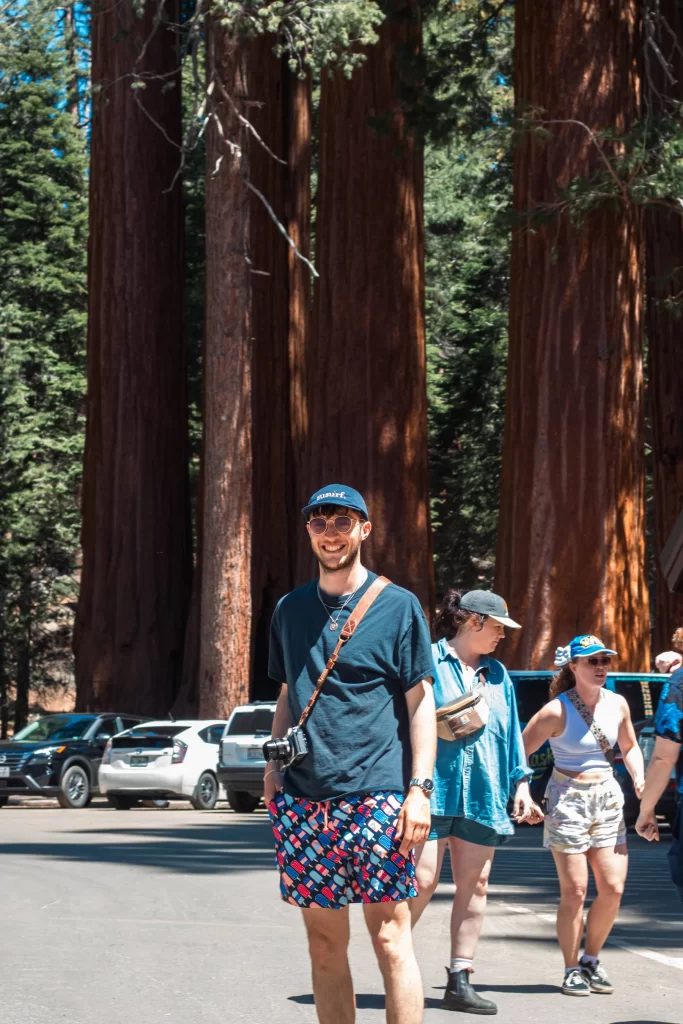
I’m hoping to keep doing one winter after another, and we’re toying with the idea of settling in the mountains full time. But in the meantime, I’m looking for a more stable long-term career that can keep paying for all the travel, and the snowboarding…




0 comments
{{like.username}}
Loading...
Load more