














Canada’s Regional and Indigenous Cuisines
With its 10 provinces and 3 territories, Canada has an impressive culinary diversity. Traditions vary according to the region, climate, and cultural influences.
Indigenous Roots
First Nations traditionally relied mainly on locally sourced foods: game, fish, wild berries, and edible plants. Their food traditions were based on preservation and sharing.
They were already boiling maple sap and making flatbreads such as bannock, which was later influenced by Scottish settlers.
Today, several Indigenous chefs are bringing these traditions back by spotlighting dishes featuring salmon, game, and northern berries.
Acadian Cuisine
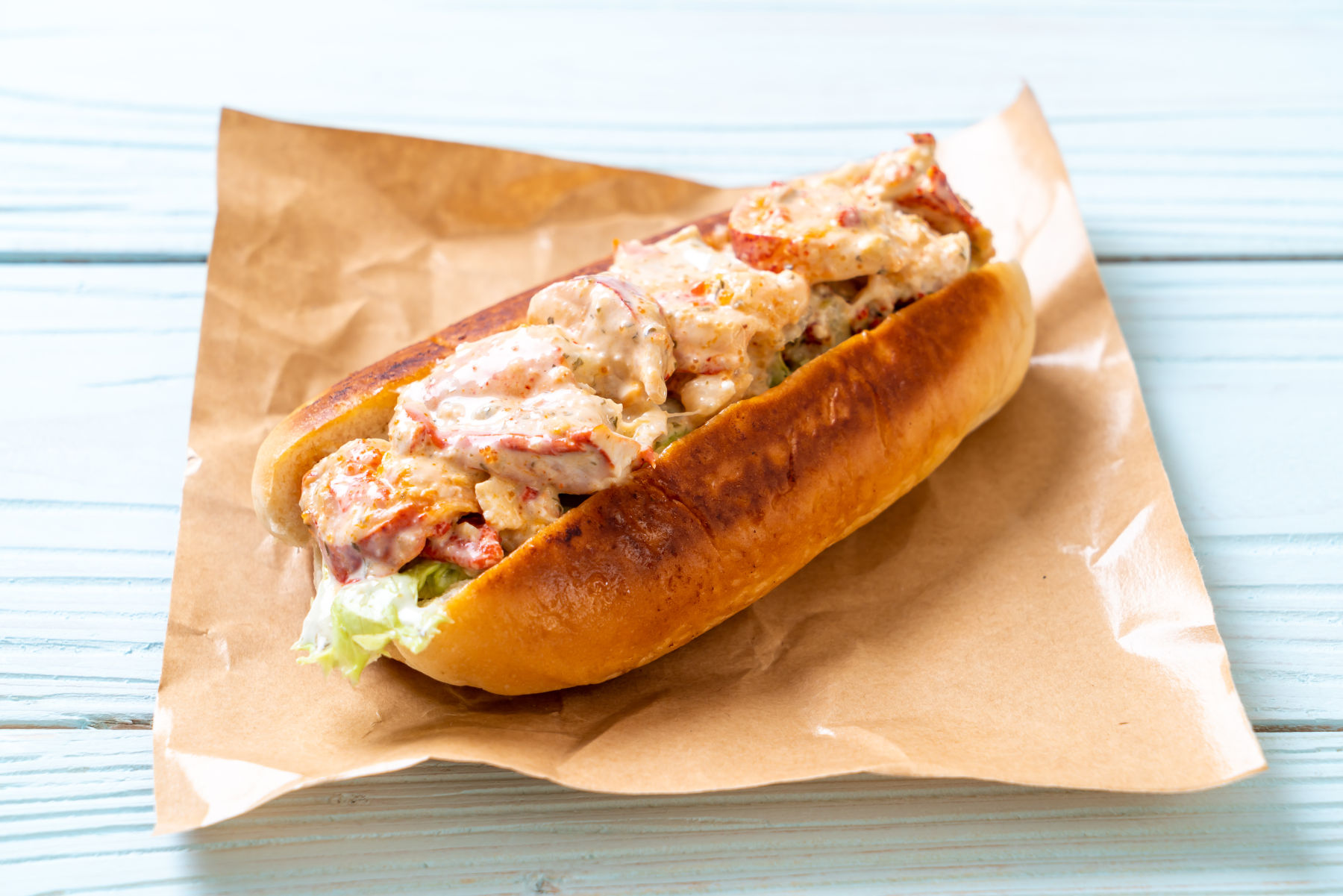
Born on the Atlantic coast, Acadian cuisine celebrates seafood. Lobster is king, particularly in lobster rolls, filled with lobster meat, mayonnaise, and lettuce.
Fricot, a hearty chicken and vegetable soup, is reminiscent of the rustic dishes of the past.
And for dessert, there are pets de sœurs, simple and delicious cinnamon-and-sugar rolls.
Quebec Cuisine
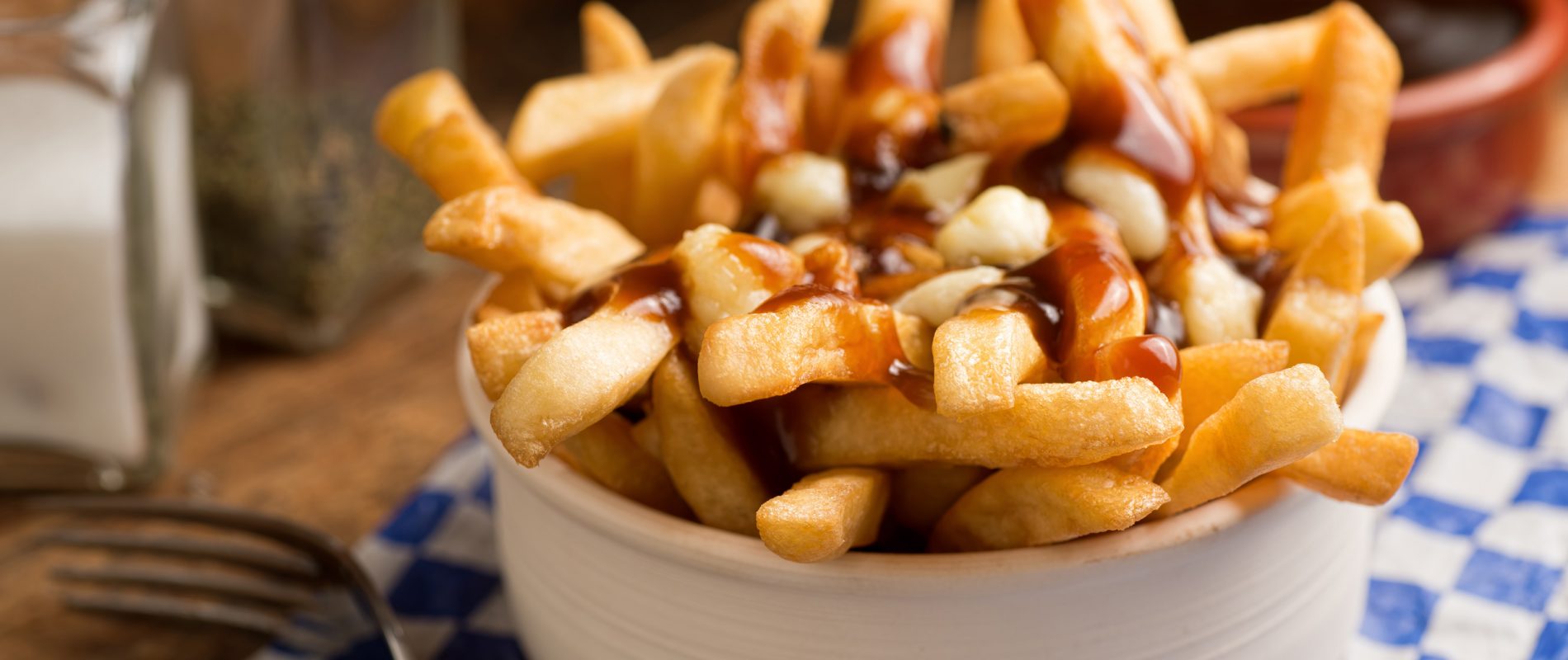
Shaped by long, cold winters, Quebec cuisine is centred around hearty, communal dishes: split pea soup, baked beans, pork rinds, tourtière…
Often prepared for large family meals or served at sugar shacks, these dishes reflect a rustic and welcoming culinary tradition.
For dessert, it’s hard to overlook pouding chômeur, which was created during the Great Depression using a few simple ingredients (flour, sugar, butter, and maple syrup).
Flavours from Across Canada
Each province also has its own specialties:
- In Ontario, butter tarts are a popular local specialty and have become a regional symbol.
- In Alberta, a major cattle-producing province, Alberta beef is known for its quality.
- In British Columbia, seafood (salmon, halibut, and oysters) dominates many menus. Nanaimo bars are also a dessert not to be missed.
From the Pacific to the Atlantic, each region brings its own character and flavour to Canadian cuisine.






(1)Comment
{{like.username}}
Loading...
Load more